Sprezzatura: The Italian Art of Looking Like You Didn’t Try
There’s a word Italians have been using for centuries — and one that still describes more accurately than anything else what any man thinking about style is really after. That word is sprezzatura.
In translation it doesn’t sound quite as elegant. Something like deliberate nonchalance. Or the art of looking like you didn’t try. But behind that simple definition sits an idea that changes the way you think about style completely.
Where It Comes From
Sprezzatura first appeared in 1528 in Baldassare Castiglione’s book “The Book of the Courtier.” Castiglione wrote about what the ideal courtier should be — educated, well-mannered, physically capable, able to speak and carry himself well. But above all — he should do all of this effortlessly. Without visible effort. So that those around him admired the result without noticing the work behind it.
That’s what he called sprezzatura. And although the book was written nearly five hundred years ago the idea hasn’t aged a day.
What It Means in Style
Sprezzatura in men’s personal style isn’t nonchalance for its own sake. It’s not a creased shirt or sneakers with a suit just because you can. It’s something more subtle than that.
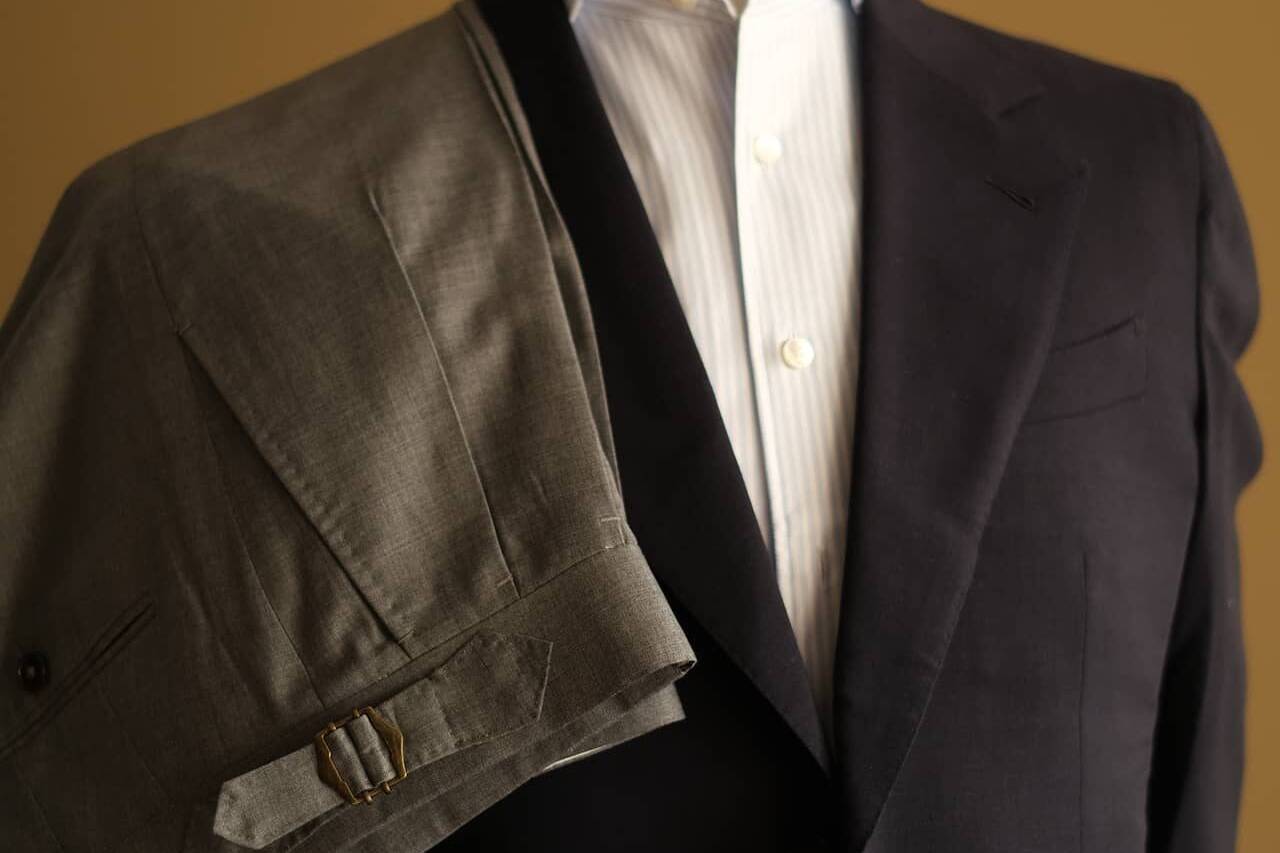
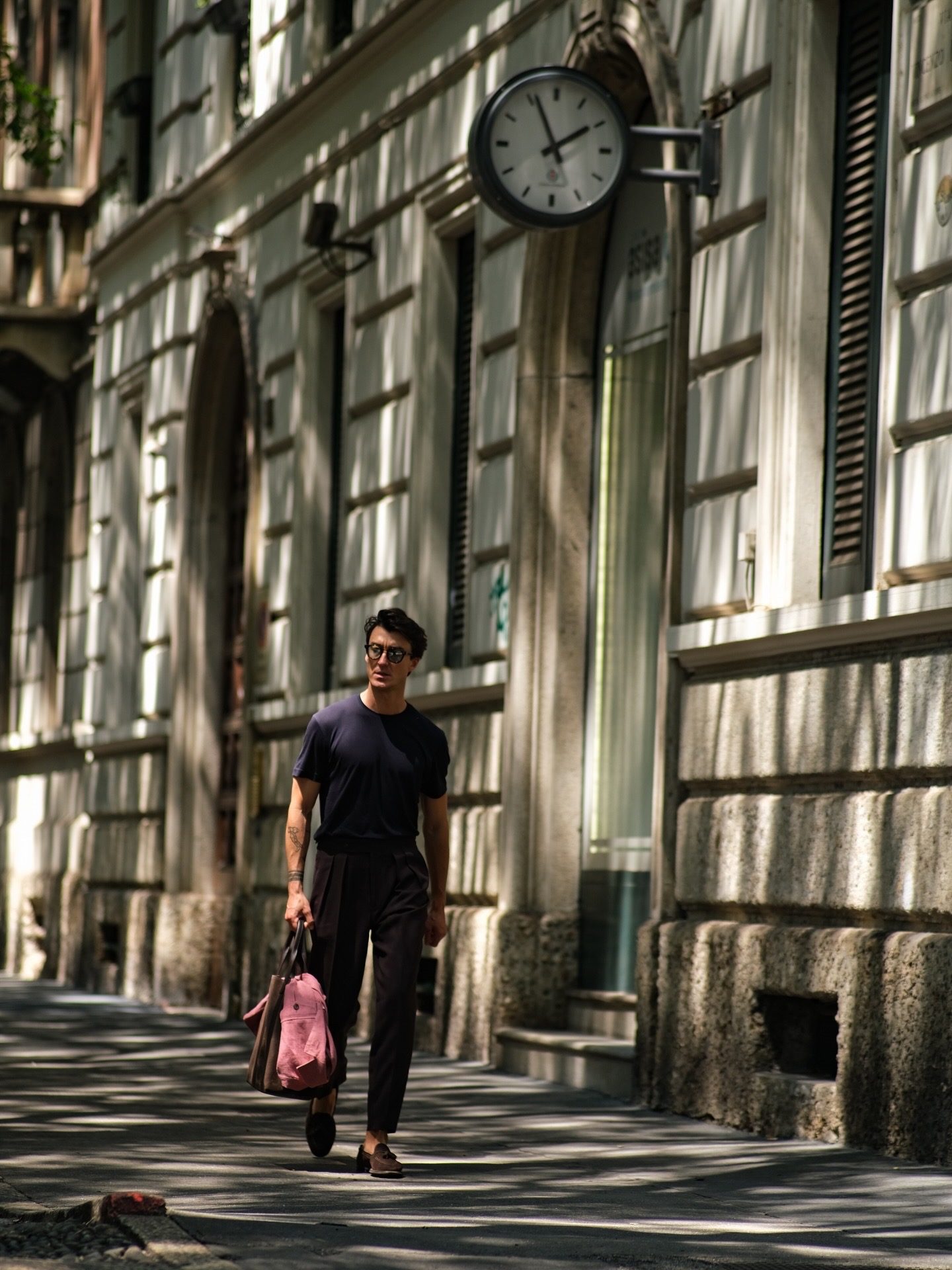
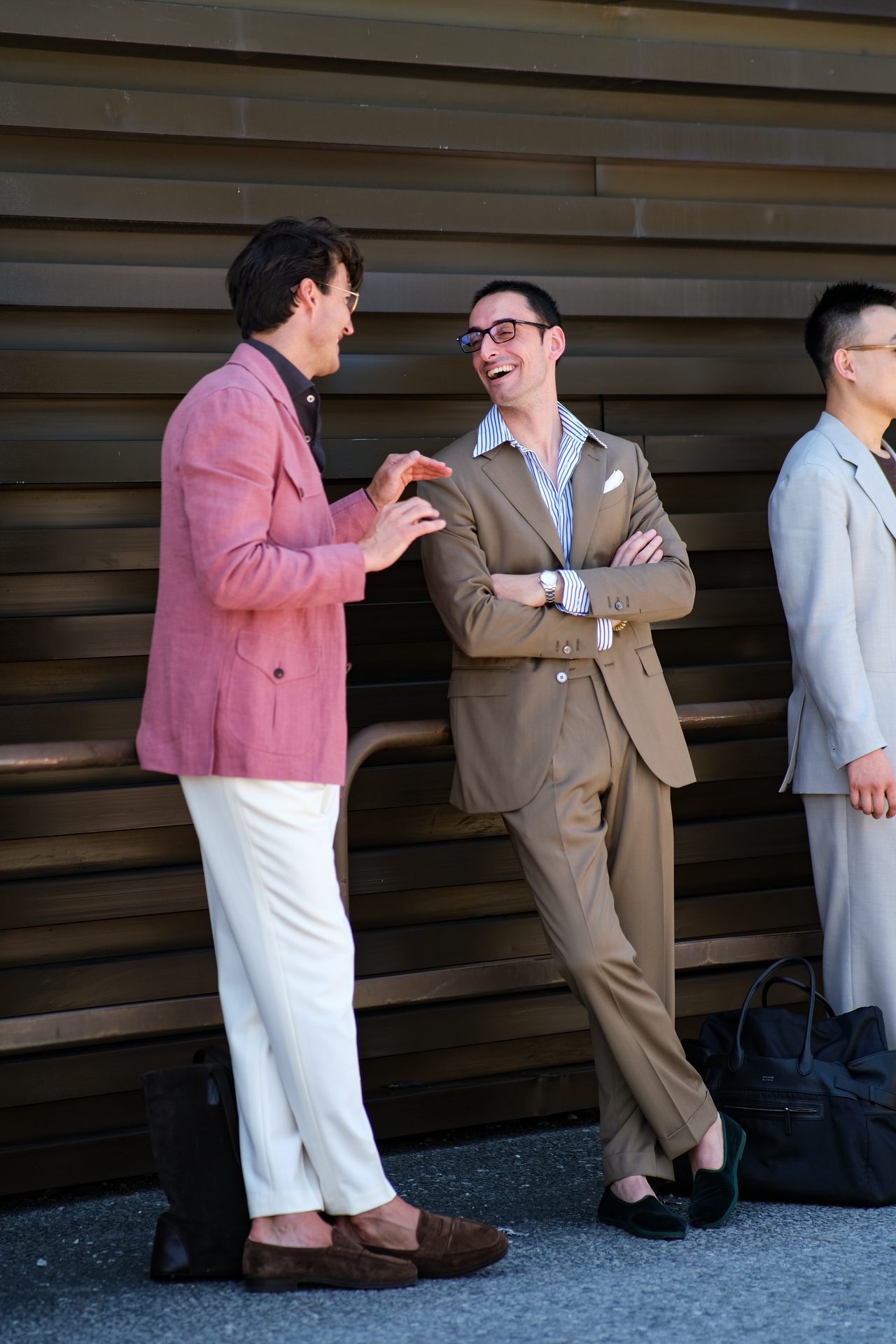
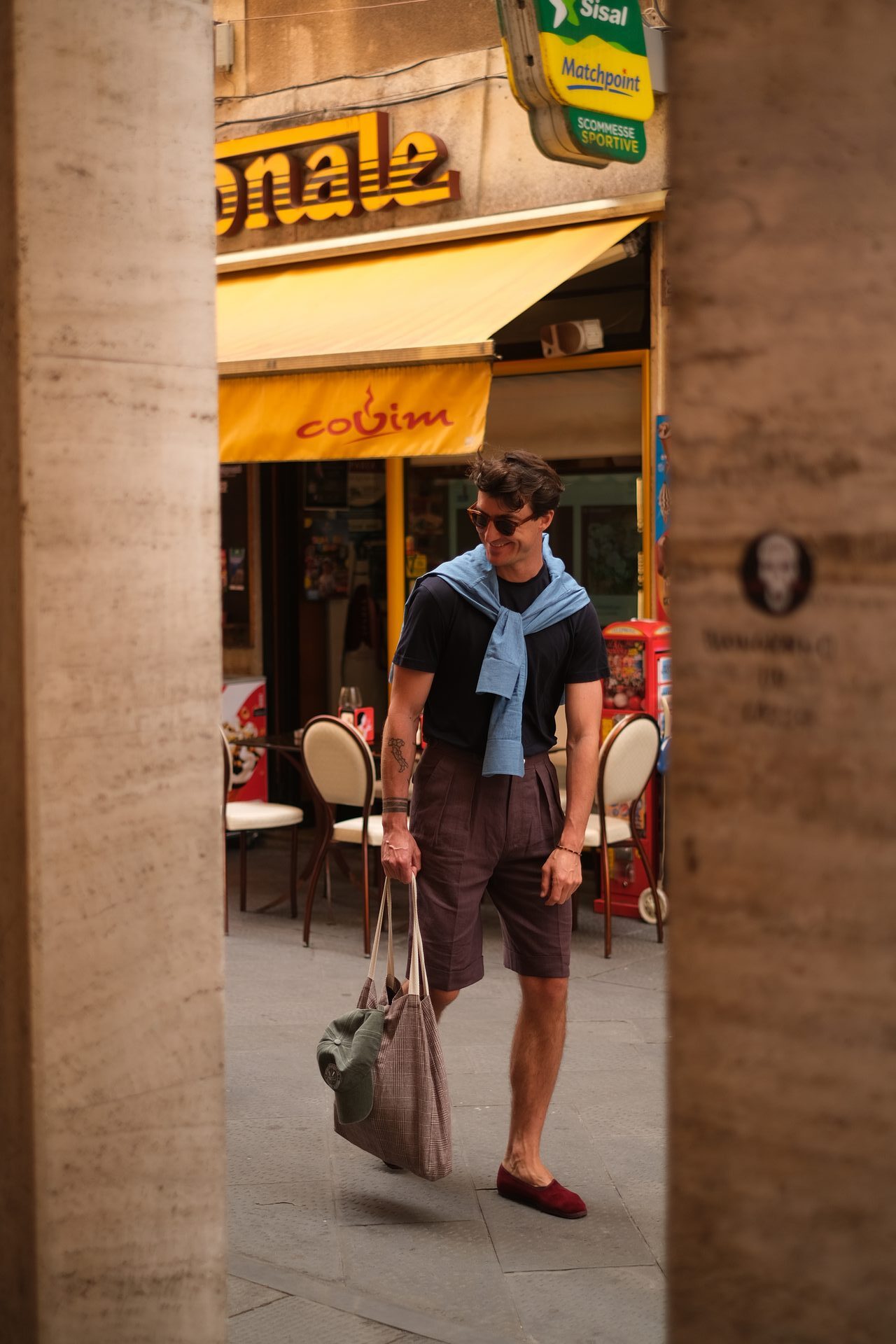
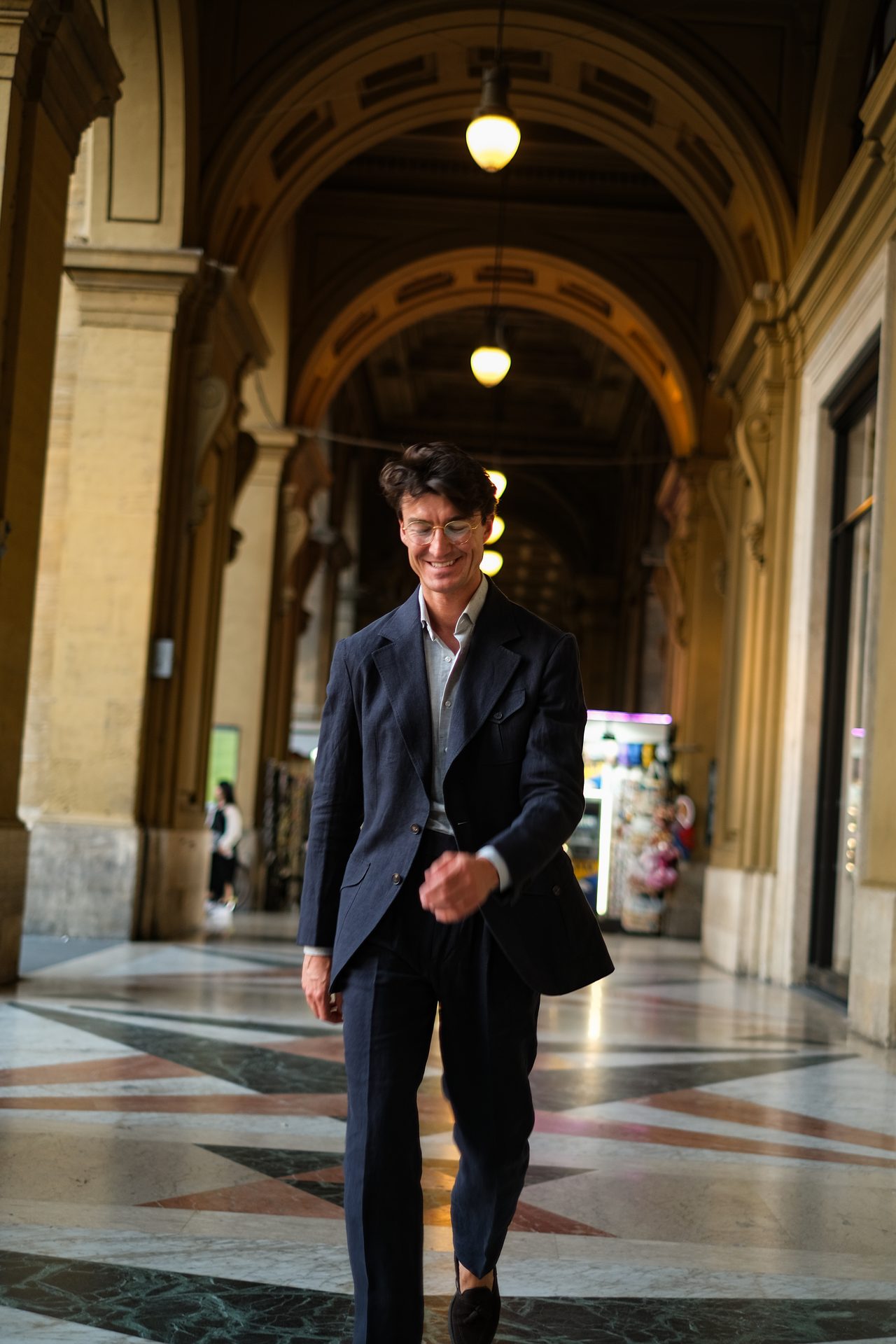
It’s a tie that’s slightly loosened — but just slightly, and exactly that tie, and exactly with that shirt. It’s a pocket square that isn’t folded perfectly but looks like it was simply dropped into the breast pocket — and yet the colour was chosen precisely. It’s a jacket worn over a turtleneck instead of a shirt — and it works because everything else in the look holds its level.
Sprezzatura is when you see a man and think — everything just seems to come naturally to him. But behind that naturalness is an understanding of the rules so deep that he can afford to break them. In exactly that order — first the understanding, then the freedom.
Why It's Harder Than It Looks
Most attempts to look nonchalant end with a man simply looking untidy. Because between real sprezzatura and ordinary carelessness there’s an enormous difference. And that difference lives in the details.
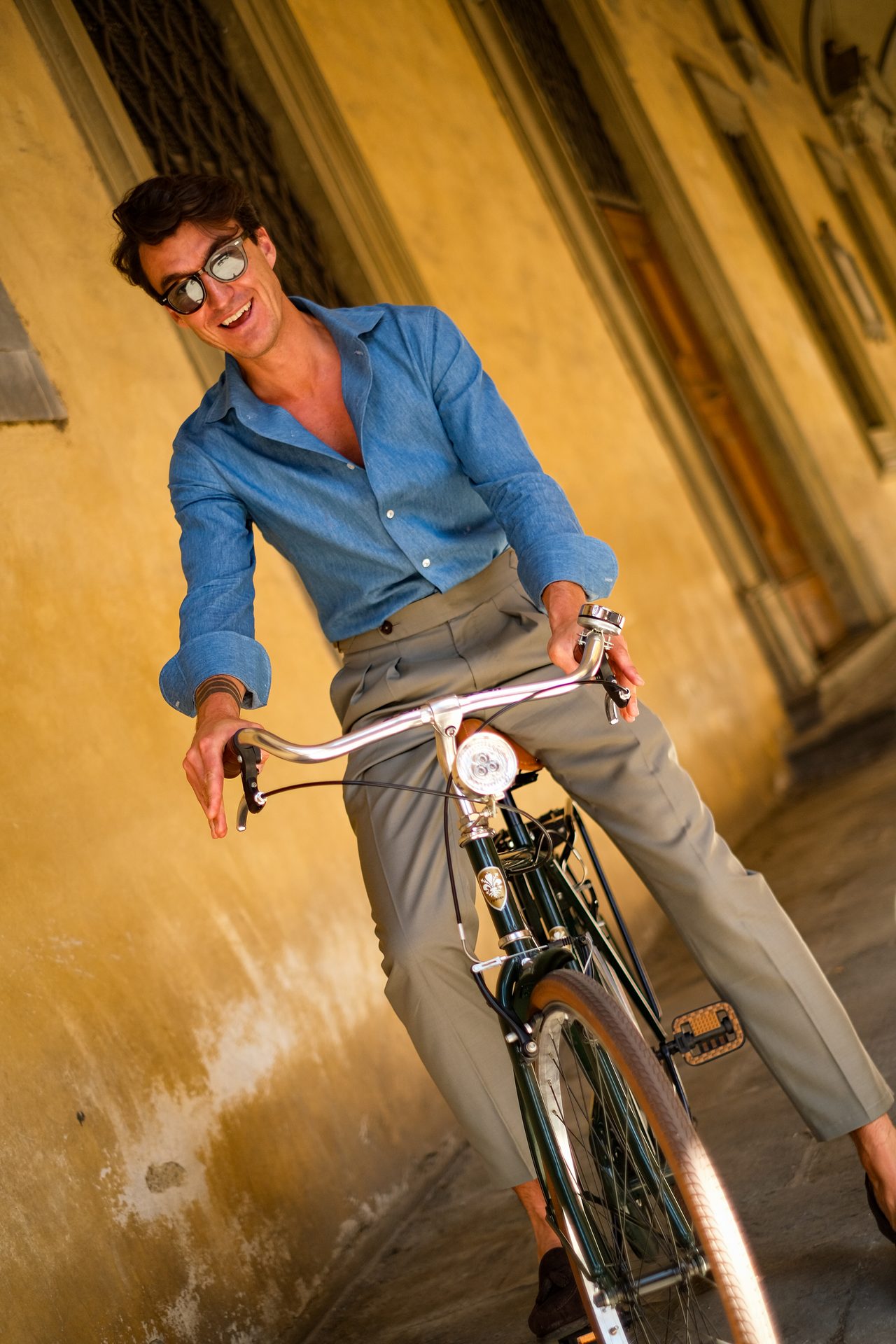
A top button left undone on a shirt can look like a conscious choice or like something forgotten. Jacket sleeves rolled up can look like character or like being in a hurry. Loafers worn without socks can look like a deliberate detail or like an overlooked one. The difference between these comes down to how well everything else in the look holds its quality and intention.
This is why sprezzatura is only available to someone who already understands the foundation. Who knows what right looks like — and only then allows himself to depart from it deliberately.
Sprezzatura and the Modern Man
Today sprezzatura shows up a little differently than in Castiglione’s era. It’s no longer about courtly etiquette — it’s about how a man wears what he wears.
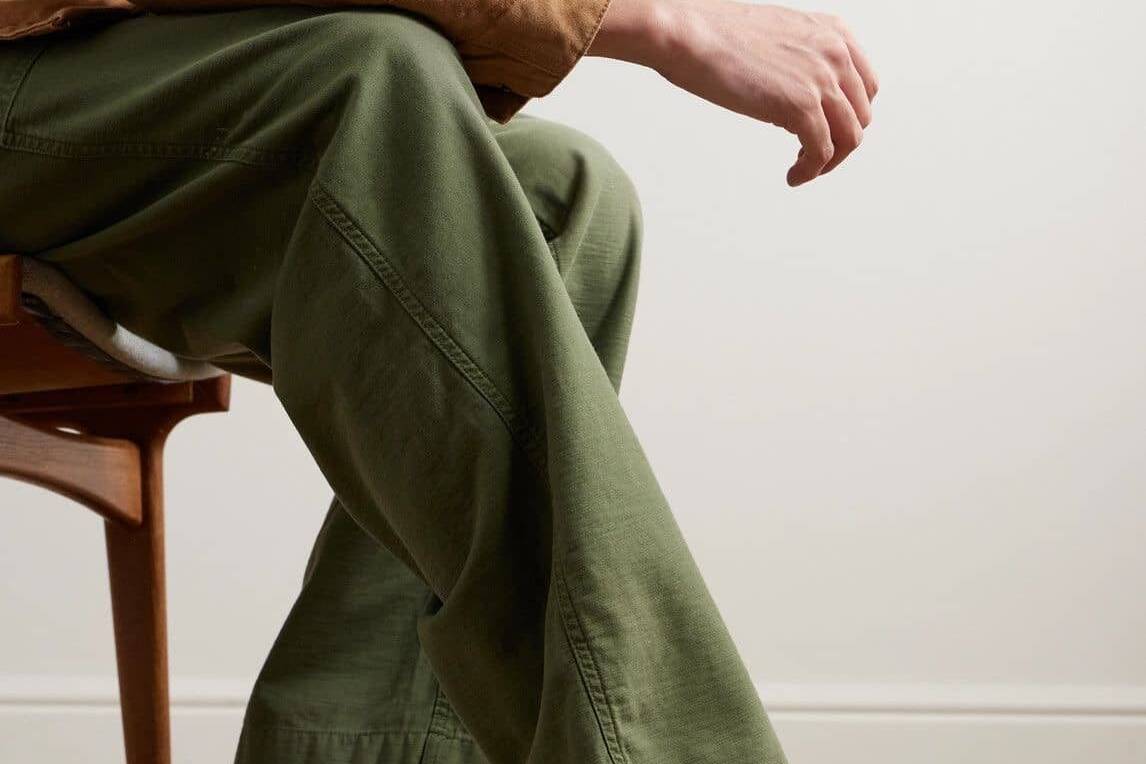
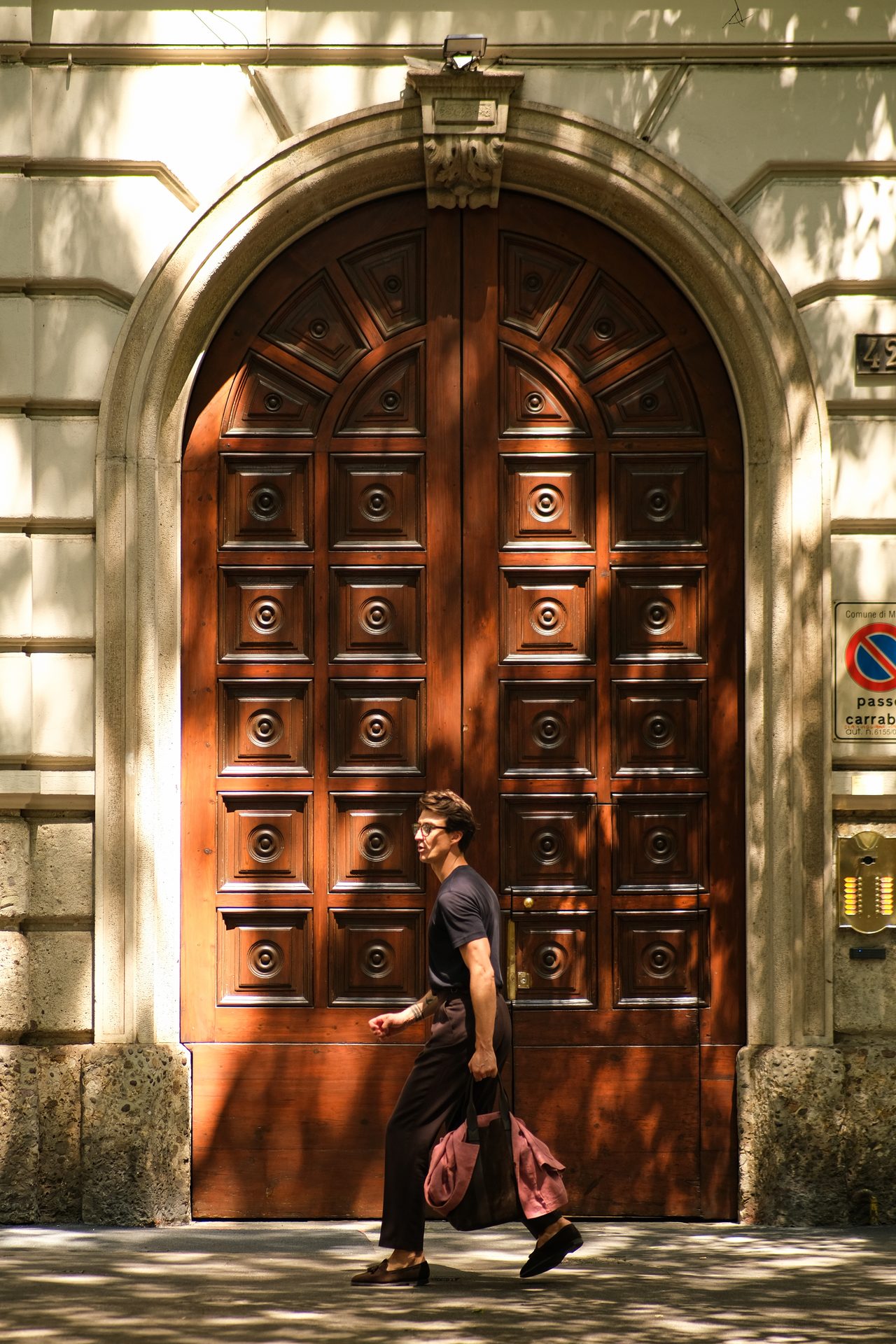
A linen shirt that creases slightly by evening and looks right rather than untidy. A watch you never take off — not because you forget but because it’s part of you. Shoes that are a little worn in but that’s exactly what gives them character. A look that appears put-together but not strained.
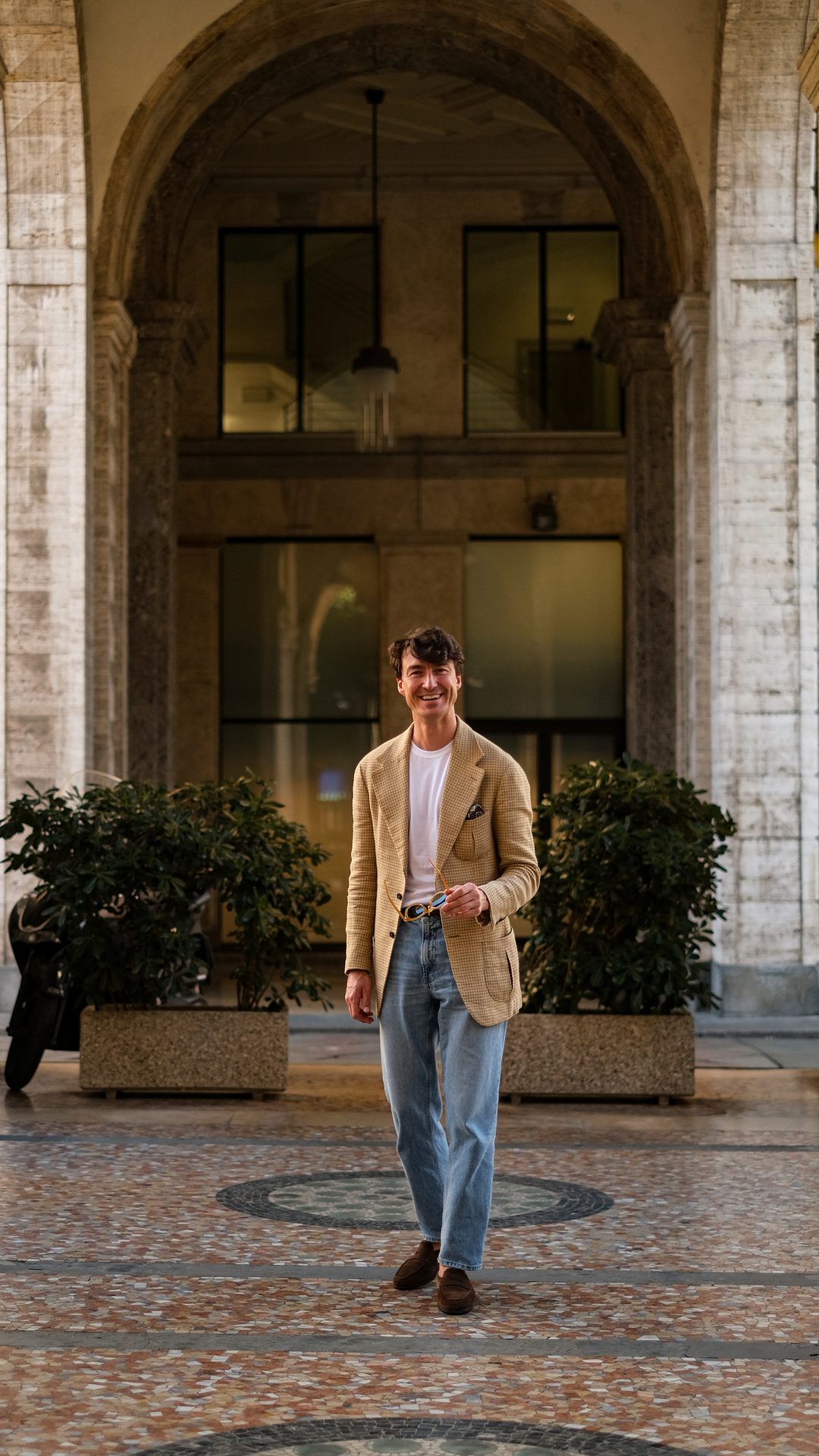
All of this is sprezzatura. And it’s exactly the feeling we mean when we talk about real personal style — when clothing stops being an effort and becomes a natural extension of who you are.
How It Works in Practice
Understanding sprezzatura changes how you relate to your wardrobe. You stop chasing the perfect look and start looking for your own. You stop being afraid that something doesn’t look right — because you understand that deliberate ease isn’t a mistake, it’s the goal.
But to allow yourself that ease you need a foundation. You need to understand what suits you, which pieces work together, where you can step away from the rules and where you can’t. This is exactly what we work on at Elety — helping a man build that foundation so that his style looks exactly like this. Easy, organic, as if it came together on its own.
Our website has a full description of each service — choose the one that suits you. We’ll be happy to help.
Quote of the Week
“True mastery conceals itself.”
Aristotle
Fact in the Spotlight
Baldassare Castiglione wrote “The Book of the Courtier” in 1508 but it wasn’t published until 1528 — twenty years after it was written. The book was translated into all the major European languages and became one of the most widely read texts of the Renaissance. Machiavelli, Erasmus, and later Shakespeare were all familiar with Castiglione’s ideas. The concept of sprezzatura shaped European culture around behaviour and style for centuries to come.
That’s all for today. See you on Saturday next week!
Yours sincerely, Anton Masko