Golden Goose: The History of the Brand
Golden Goose was born on December 23, 2000, in Marghera, the industrial district of Venice, where the brand’s founders, husband and wife Francesca Rinaldo and Alessandro Gallo, grew up. Both were still in their twenties, raised among the cranes and factories of the port, far from the Venice of canals and palaces most people picture. That industrial setting would later shape the brand’s entire visual language.
The earliest pieces were made almost entirely by hand, in a garage turned into an office, together with a Venetian craftsman. Interestingly, Golden Goose wasn’t even a footwear brand at first. Its very first product was a skirt, which Francesca made by taking apart an old pair of jeans and hand-stitching them into something new. The idea of reworking, remaking, and handcrafting was there from day one. The first shoes came next, the Golden Boots, inspired by the founders’ travels through the US, particularly New Mexico and Texas.
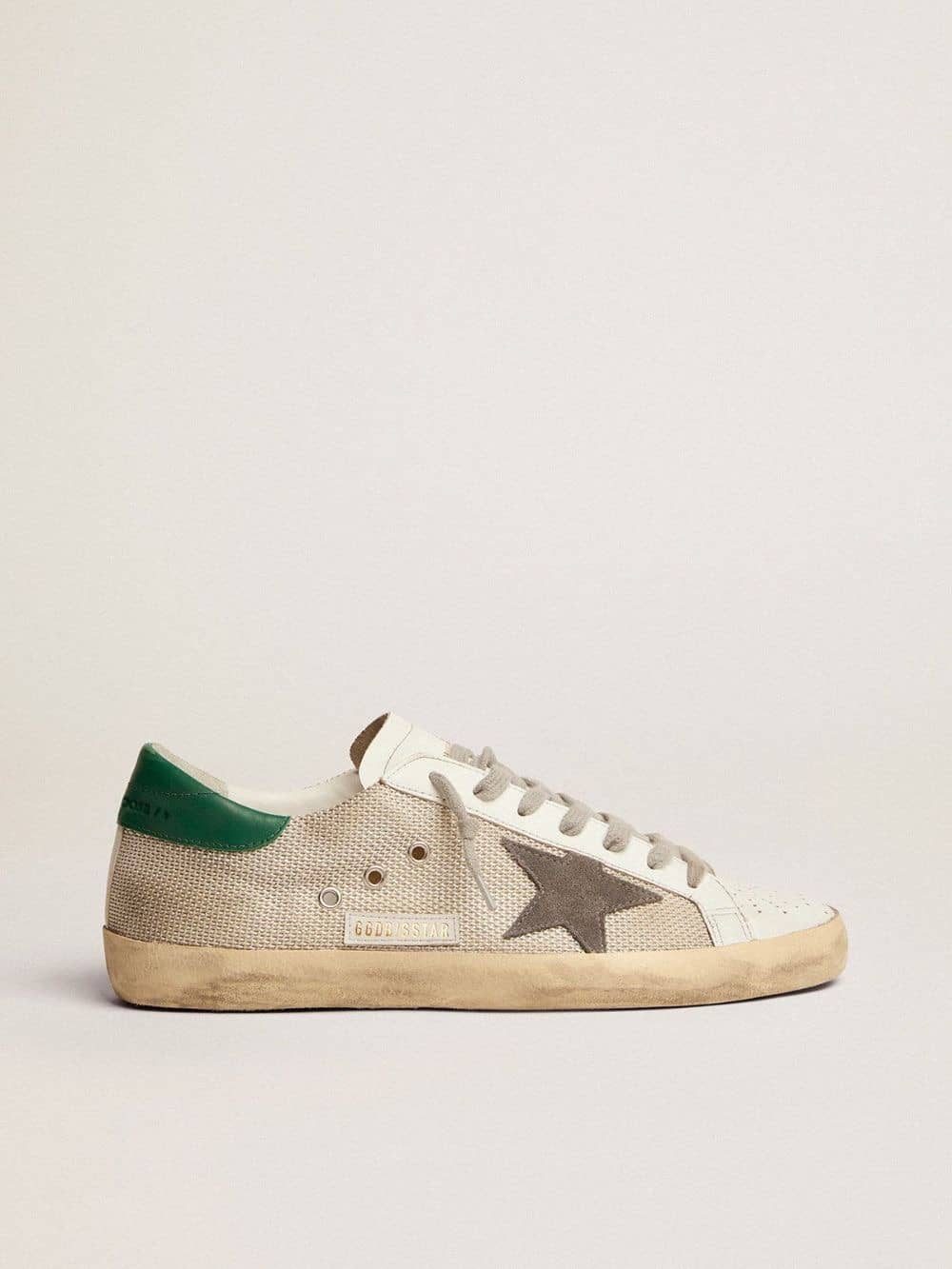
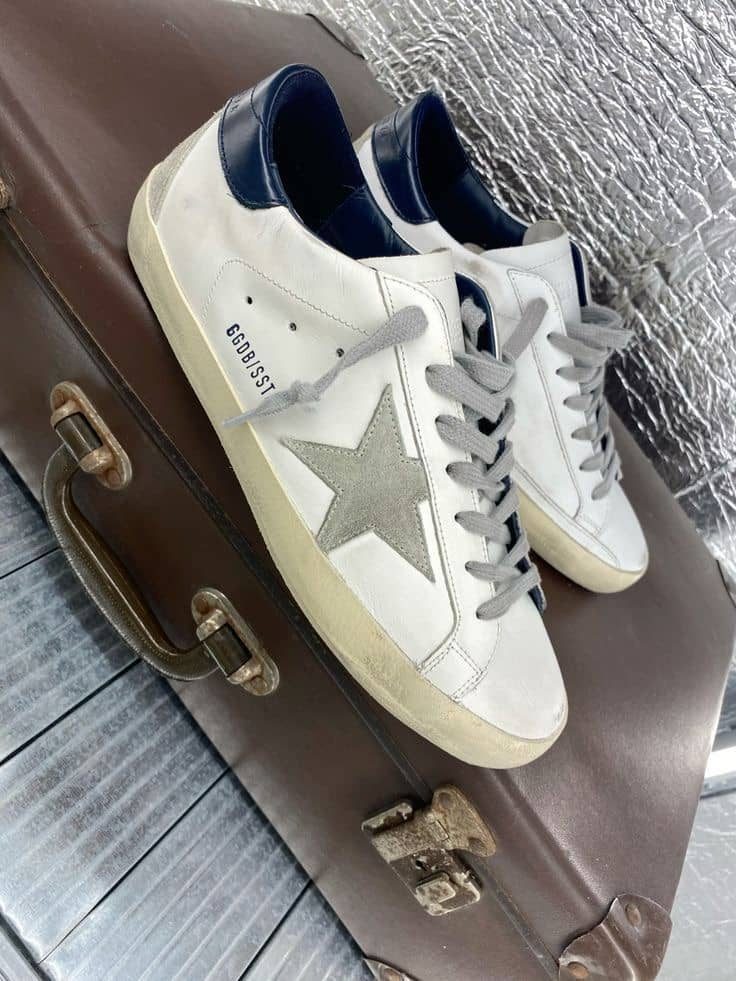
The turning point came in 2007. During a trip to Los Angeles, Francesca and Alessandro noticed the shoes worn by local skateboarders, scuffed, dirty, creased from months of riding. That’s what inspired them to create the first Super-Star, deliberately designed to look like it had already lived a long life. It gave birth to an entirely new product category: the luxury pre-distressed sneaker.
In 2008 the company moved into its own space in Marghera, a former industrial building, cementing industrial Venice as part of its visual identity for good. In 2013 the first standalone store opened in Milan, and the brand began shifting from wholesale toward direct-to-consumer sales. What followed was fast expansion: Paris and New York in 2015, investment from Ergon Capital, then a string of major ownership changes, Carlyle in 2017, Permira in 2020, and finally HSG, which became the majority owner in 2025-2026 alongside Temasek, with Permira retaining a minority stake. Revenue grew several times over during this period. According to Golden Goose’s own figures, turnover passed 650 million euros between 2020 and 2024 alone.
Market Position and Positioning
Golden Goose occupies a unique space where luxury meets street culture. It isn’t a classic Italian fashion house. It’s a brand that managed to convince the market that a brand-new item costing hundreds of euros can look like it’s been worn for years, and that this is exactly what makes it worth the price.
Its positioning rests on a contradiction that became its biggest competitive advantage: an expensive item, handmade by Italian artisans, deliberately looks worn. This isn’t sloppy craftsmanship or a flaw, it’s a stated aesthetic position that sets Golden Goose apart from traditional luxury built on flawlessness and perfect surfaces.
Philosophy
At the core of the brand is an idea the founders themselves call “perfect imperfection.” A scratch, a crease, a worn patch isn’t a defect, it’s part of the item’s story. There’s a clear echo here of the Japanese philosophy of kintsugi, where cracks in ceramics aren’t hidden but highlighted in gold, turning damage into part of the object’s beauty.
Golden Goose flipped the traditional idea of luxury on its head. Normally, new means good and a scratch means a flaw. The brand said no. New can look old, imperfection can be luxurious, and individuality matters more than factory uniformity. That’s exactly why two pairs of the same model never look quite identical. It isn’t a defect, it’s the philosophy at work.
The Style It Brings to the Masses
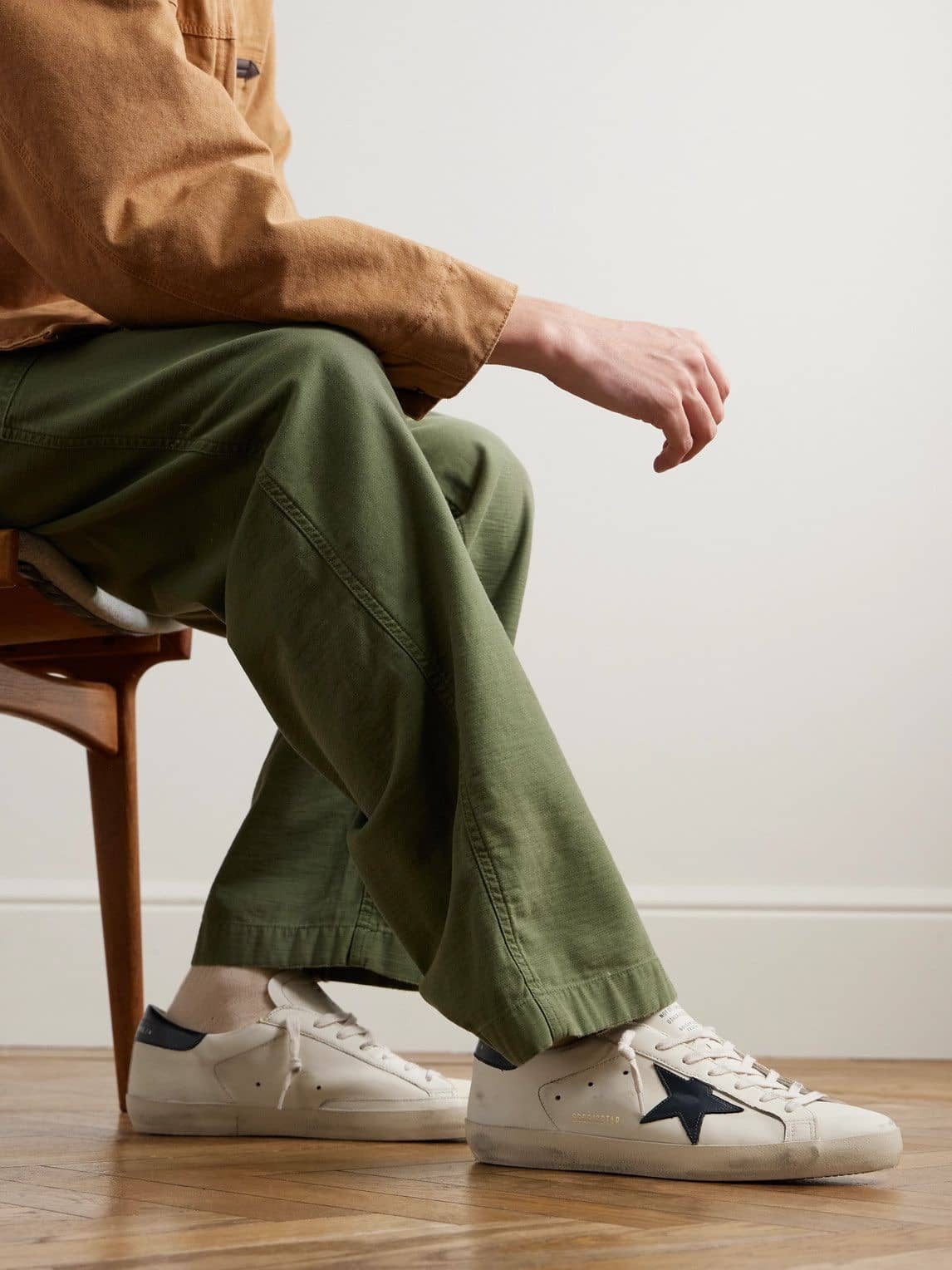
Golden Goose blends several cultural codes that don’t obviously belong together: Italian craftsmanship, American skate and street style, and a rock-and-roll kind of nonchalance. The brand’s signature is the Super-Star sneaker with its star patch on the side, but what matters isn’t just the symbol itself, it’s how it brings together sport, retro, American culture, and Venetian handwork in a single object.
This is “careless luxury,” the kind where a very expensive item looks like its owner travels a lot, plays sports, or rides a skateboard, and clearly isn’t trying to prove to anyone that it cost a fortune. Expensive clothing and footwear here work not by showing off newness, but by projecting a sense of a life already lived.
Who the Audience Is
Golden Goose’s audience is people who value individuality over factory perfection. These are buyers willing to pay for luxury that doesn’t shout through logos but signals status through nonchalance and a personal story. Fans of the brand include Jennifer Lopez, Taylor Swift, Selena Gomez, Gwyneth Paltrow, and Jude Law, a good sign of how far the brand has moved beyond a narrow niche audience into mainstream luxury.
At the same time, Golden Goose works equally well in the context of classic luxury and street culture, a rare case where one aesthetic is just as convincing in a boutique on Via Montenapoleone as it is on the street.
Interesting Facts
Francesca Rinaldo and Alessandro Gallo aren’t just business partners, they’re a married couple, which adds a personal depth to the brand’s story. The name Golden Goose references Aesop’s fable about the goose that lays golden eggs, a symbol of a lasting source of wealth, though the founders themselves have never given a definitive explanation for why they chose it.
The first collection was entirely gender-neutral, a fairly rare idea for the fashion industry back in the early 2000s. In 2022 the brand launched the Forward Store format, where items can be repaired and reworked, and in 2023 a full Repair & Remake service followed, a logical continuation of the brand’s original idea: don’t throw away the old, make it even more your own.
My Take
I wanted to write about this brand after watching a podcast about it, and it left a real impression on me. I’d always liked the brand even before that, and while we haven’t worked closely with it yet ourselves, I hope that changes in the future and I get to experience it firsthand.
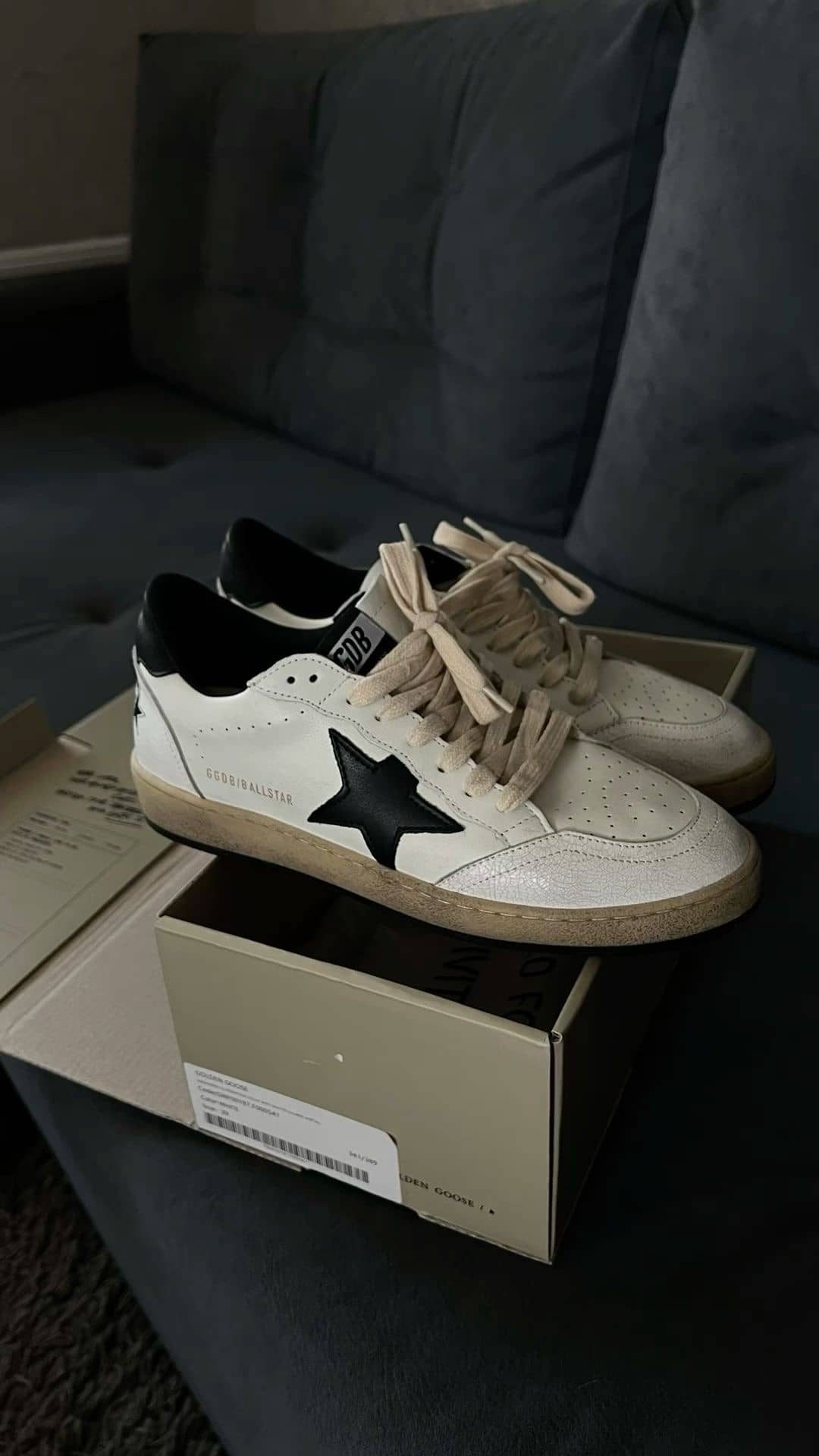
That said, we’ve worked with Golden Goose pieces more than once, sourcing them for clients and building strong, complete looks around them. It’s a solid reference point for anyone used to more classic everyday footwear looking for an alternative, a piece with real character and a story, not just another pair of sneakers in the closet.
Quote of the Week
“Injecting life in what we do gives space and a stage to everyone’s story.”
Francesca Rinaldo and Alessandro Gallo, founders of Golden Goose.
Fact in the Spotlight
Every pair of Golden Goose sneakers is distressed by hand, which means no two pairs of the same model ever look exactly alike. The intentional aging effectively makes each pair one of a kind, despite being produced at scale.
That’s all for today. See you on Saturday next week!
Yours sincerely, Anton Masko