The History of Brand. Ralph Lauren
Ralph Lauren was born in 1939 in the Bronx, into a family of Jewish immigrants named Lifshitz. His father was a painter and house painter, and the family lived modestly. Lauren never had formal design training. He studied economics at Baruch College. He worked as a sales assistant at Brooks Brothers, then as a salesman for a necktie company. That job is where his big idea took shape: he wanted to make wider ties, different from what fashion demanded in the late sixties. He drew his inspiration from English style.
In 1967 he took out a loan and launched his own tie line under the name Polo. The name came from his older brother Jerry, and it carried associations with British aristocracy, wealth, and a certain kind of lifestyle. Just a year later, in 1968, Lauren released his first men’s clothing collection, and in 1971 the first women’s line followed. That same year, the now-famous polo player logo appeared on a shirt cuff for the first time, later becoming the brand’s main symbol. Also in 1971, the first standalone store opened on Rodeo Drive in Beverly Hills.
The real cultural breakthrough came in 1974, when Lauren dressed the cast of the film adaptation of The Great Gatsby. The costumes, styled after the 1920s, instantly linked the brand to the image of American aristocracy and nostalgia for a golden age. Through the 1980s the company expanded fast: a home collection, fragrances, accessories, and a flagship store in the Rhinelander mansion on Madison Avenue in 1986. In 1997, Ralph Lauren went public on the New York Stock Exchange. By then, the founder had long since become a billionaire and one of the most influential figures in fashion.
Market Position and Positioning
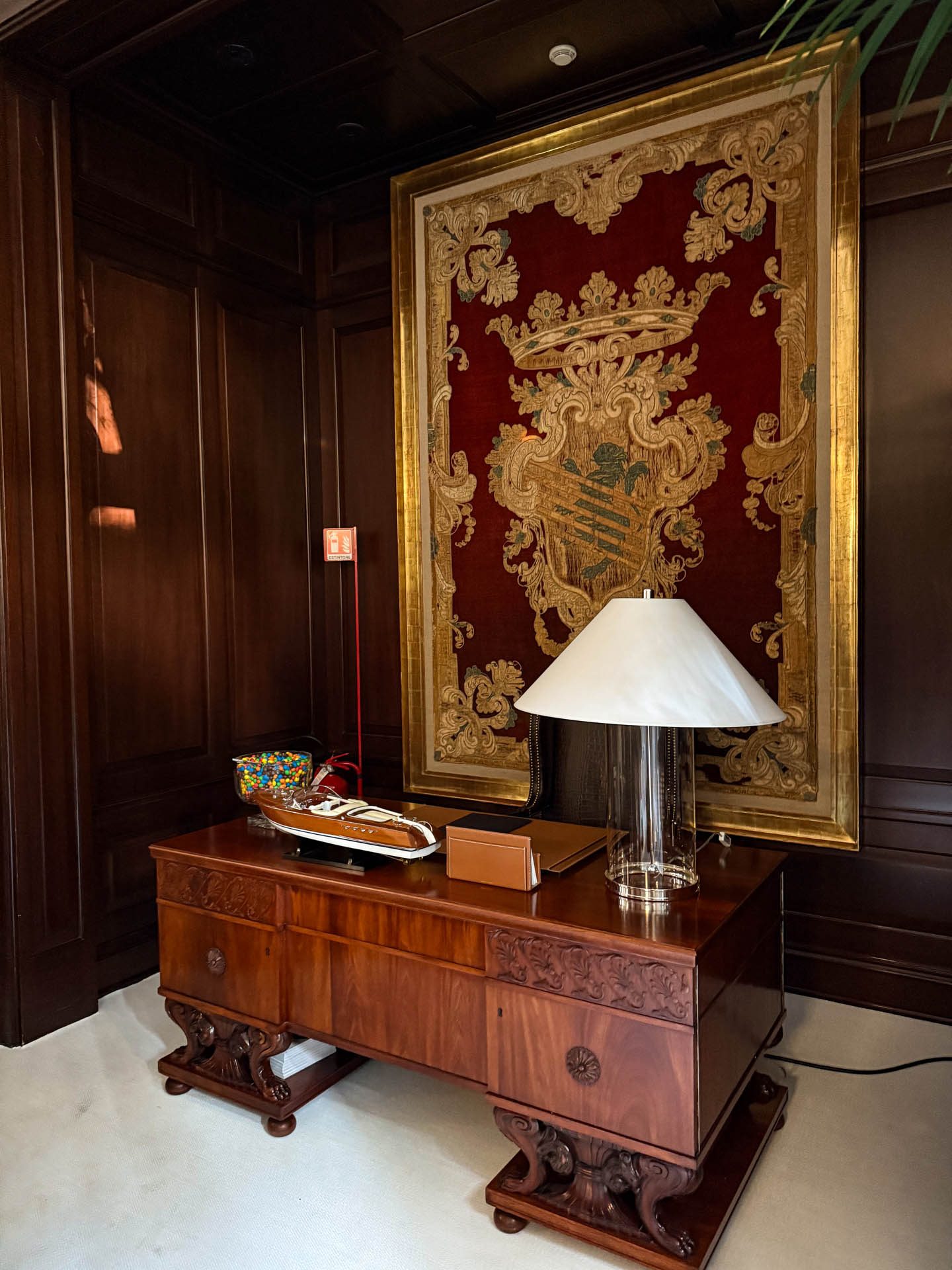
Ralph Lauren holds a rare place in the market. The brand is both accessible and prestigious at the same time. There are lines for every budget, from the premium Purple Label down to the more affordable Lauren and Chaps. This lets the company show up at nearly every price point without losing the sense of belonging to something higher.
The key here isn’t price. It’s the lifestyle the brand sells along with the clothes. From the very start, Ralph Lauren built more than a wardrobe. It built an entire aesthetic world: country estates, horse races, yachts, the American East Coast. A customer isn’t just buying a shirt. They’re buying a sense of belonging to a certain idea of success and good taste
Philosophy
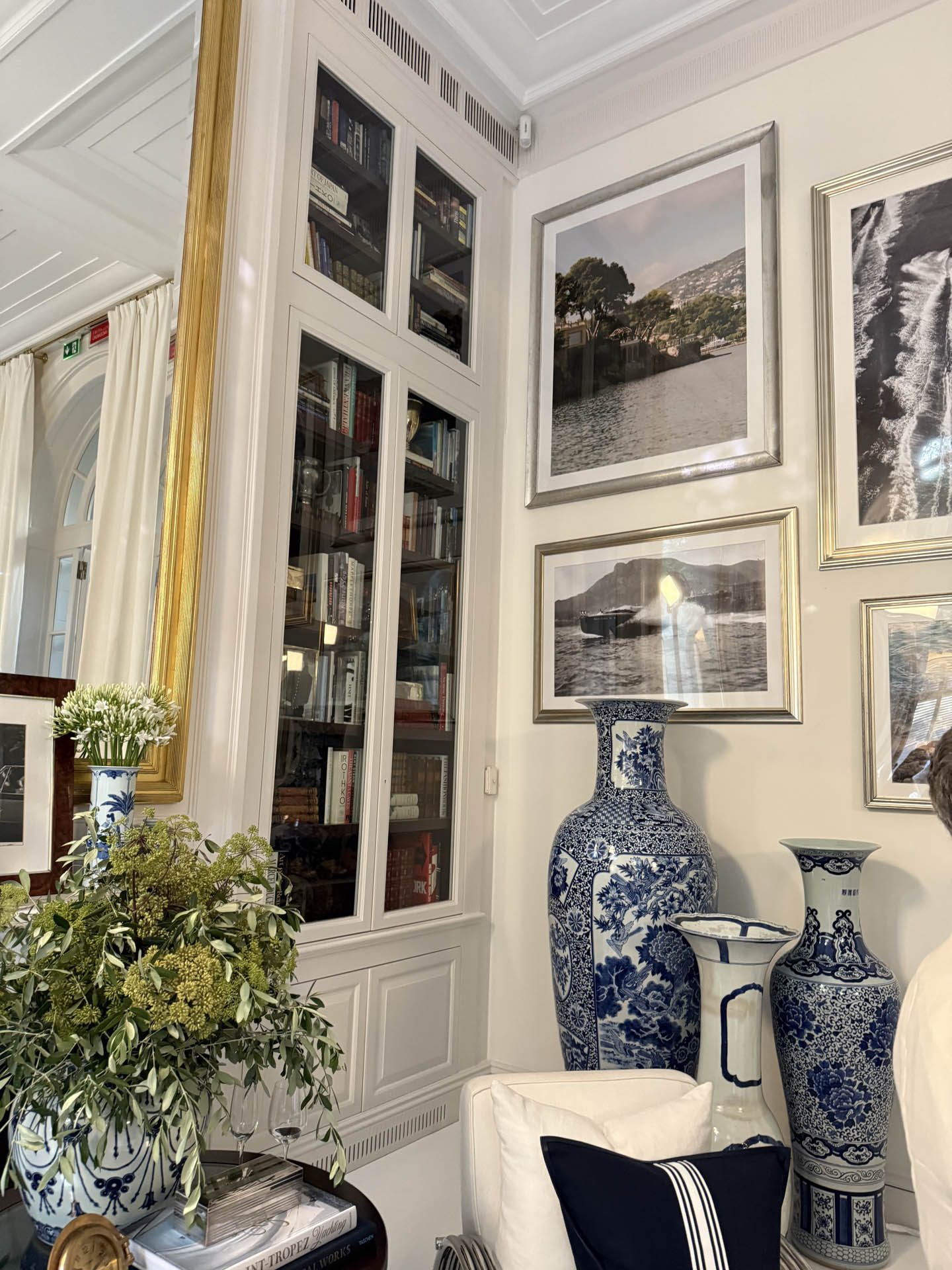
The core idea is simple: Lauren didn’t create fashion, he created a way of life people want to belong to. That’s the key difference from an industry built on seasonal trends. Ralph Lauren rarely chases novelty for its own sake. Instead, the brand reinvents classics, making them desirable for a new generation while keeping its recognizable code intact.
The second major piece of the philosophy is the American dream, in its most elegant form. The son of immigrants, who changed his last name, built a brand that became the visual embodiment of aristocratic English style, adapted for American optimism and sportiness. Ralph Lauren is a story about building a style from nothing, as long as you have a clear vision.
The Style It Brings to the Masses
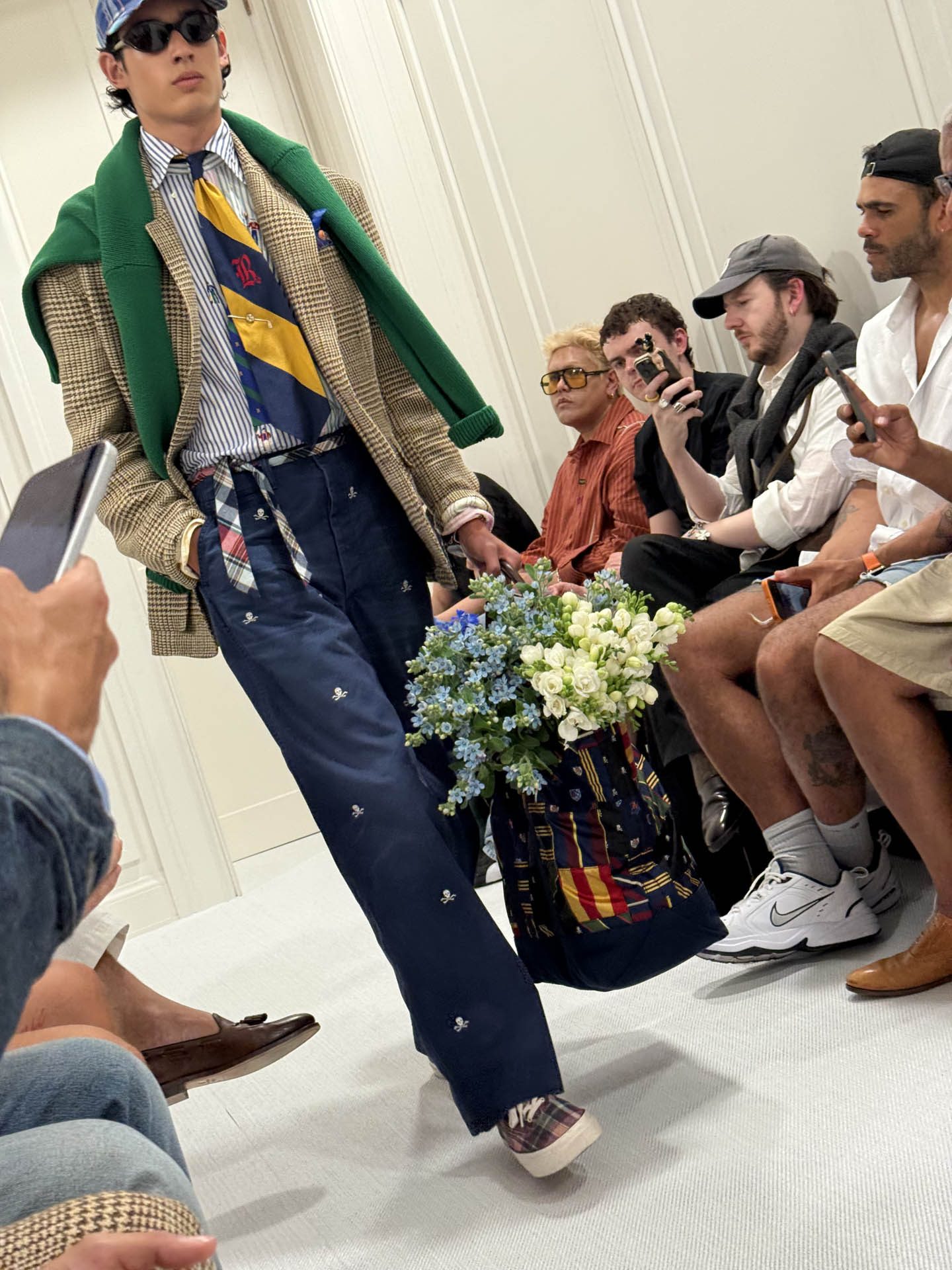
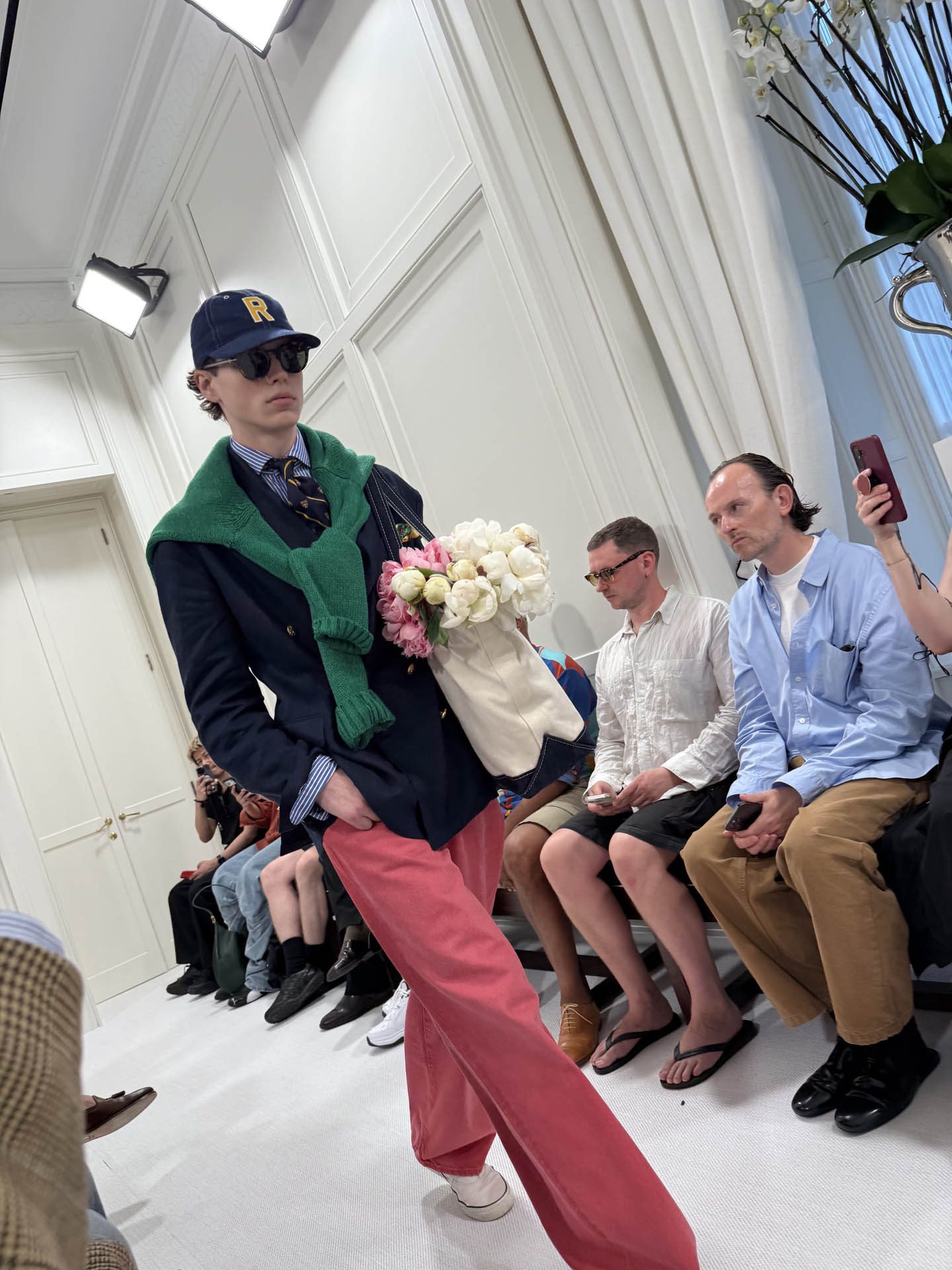
First and foremost, this is preppy style: the aristocratic, university-inspired look of the East Coast. Tweed, cashmere, argyle sweaters, blazers, polo shirts. Alongside this sits a clear influence from British hunting and countryside style: cricket sweaters, elements of horse riding, plaid, corduroy.
There’s a second side too, more relaxed and American: denim classics, cowboy motifs, vintage Americana, developed through the Double RL line. Ralph Lauren speaks the language of the British country house and the American ranch at the same time, and these two codes live together in one aesthetic surprisingly naturally.
Who the Audience Is
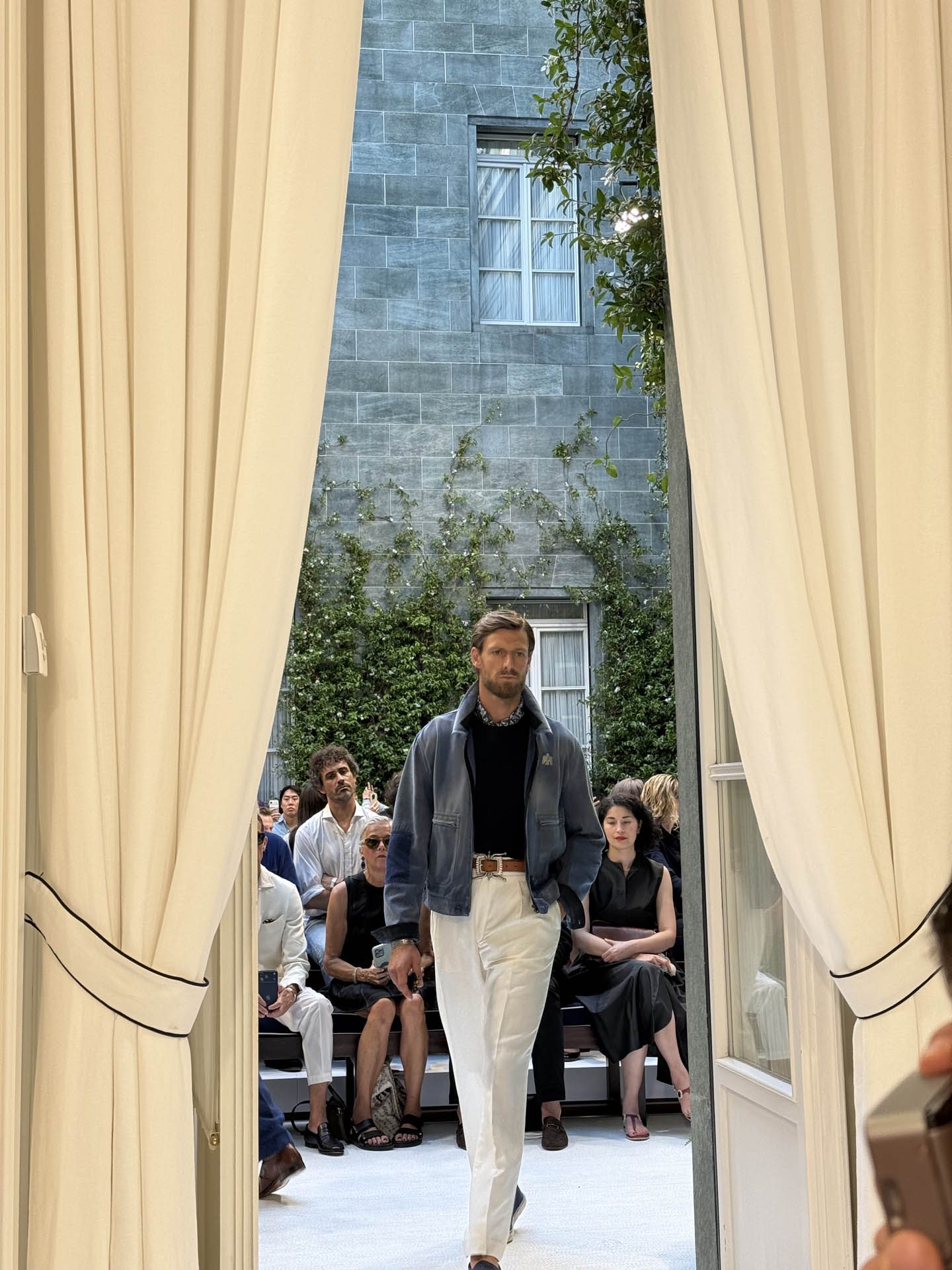
The brand’s classic audience values quiet elegance and status without showing off. It’s about quality and a code that’s understood by insiders, not loud logos on display. Originally the brand was tied to Ivy League university students and the wealthy middle class who wanted to look aristocratic.
Interestingly, the brand also found an unexpected second life in a completely different world. In the 1980s and 90s it became a cult favorite in Brooklyn street culture, where a movement called the Lo Lifes formed, built around wearing Polo Ralph Lauren head to toe. A brand designed for country clubs became part of hip-hop culture, a rare case where one aesthetic works just as well in a country club as it does on city streets.
Interesting Facts
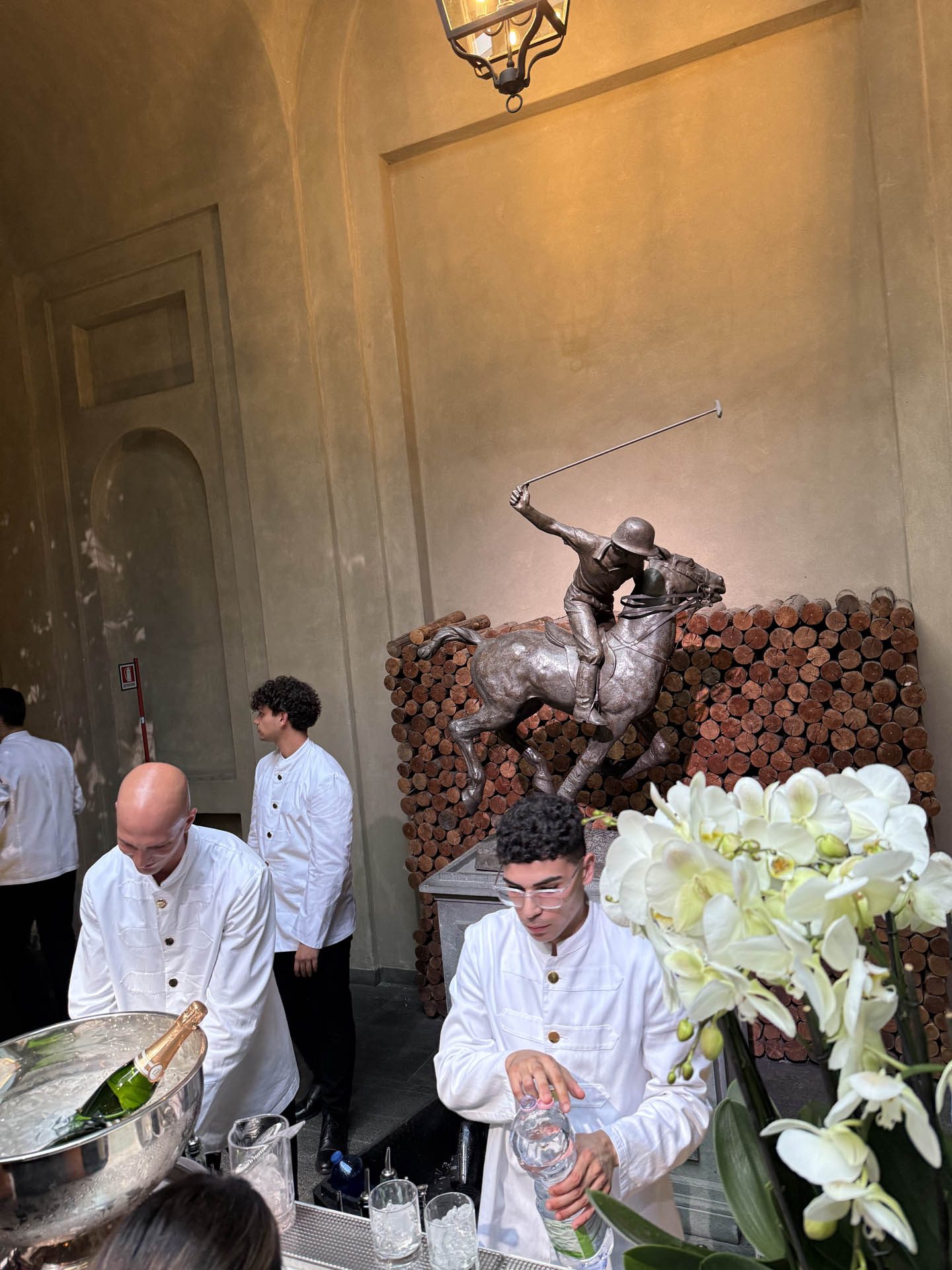
Ralph Lauren’s real last name is Lifshitz. His father changed it when the family moved to America. The name Polo wasn’t his own idea, it came from his older brother Jerry, even though Lauren himself never played polo professionally. The brand’s teddy bear mascot, Polo Bear, came about by accident, thanks to Jerry’s love of Steiff toys.
When young Lauren approached his boss with the idea of making his own ties, the boss told him, “The world isn’t ready for Ralph Lauren,” a line Lauren later remembered as a compliment for the rest of his life. He never used focus groups. Every design decision came from instinct alone. In 2019, Ralph Lauren became the first American designer to receive the honorary title of Knight Commander of the British Empire, and in 2025 he became the first fashion designer in history to receive the Presidential Medal of Freedom. A fitting full circle for someone whose career drew constant inspiration from British style.
My Experience
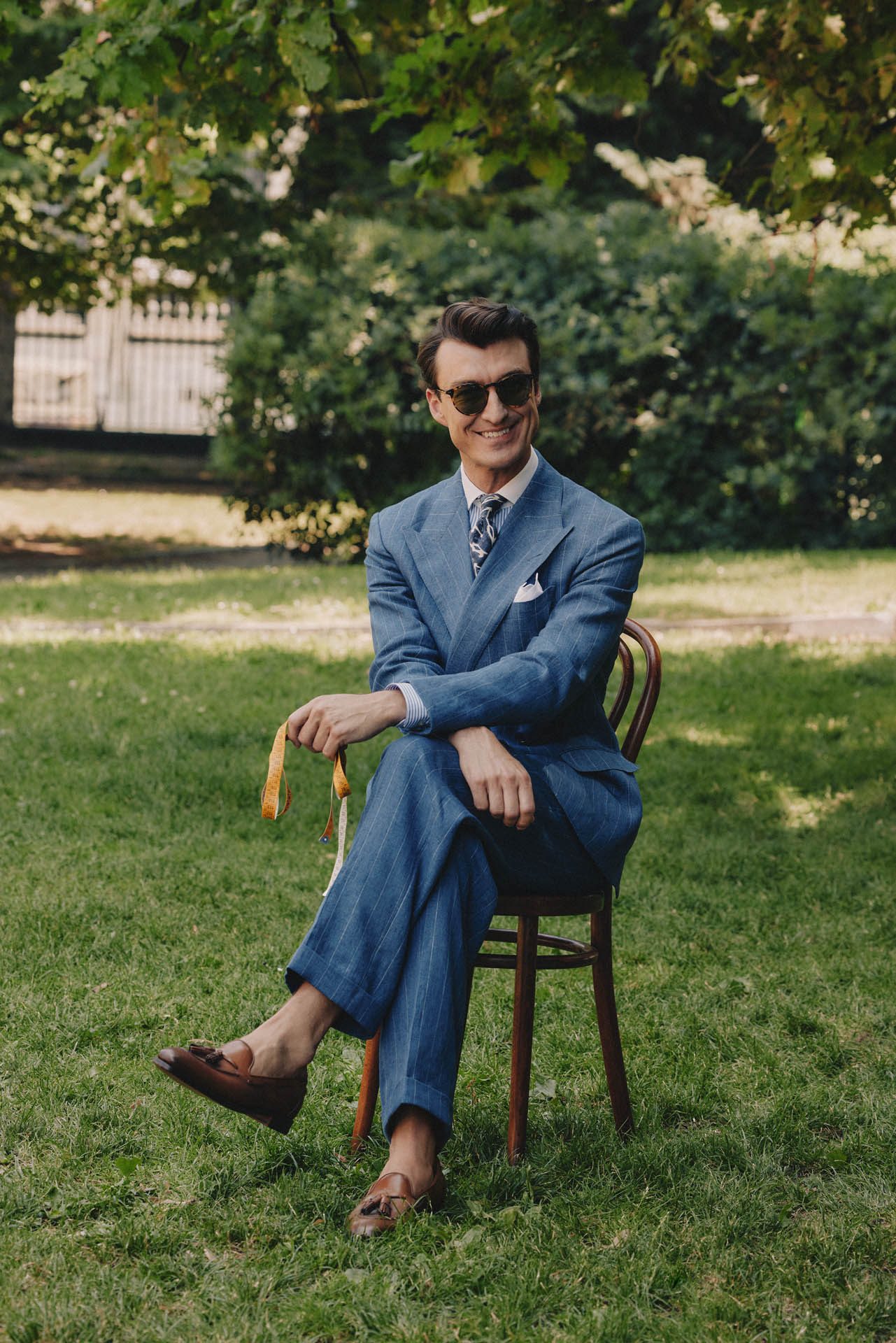
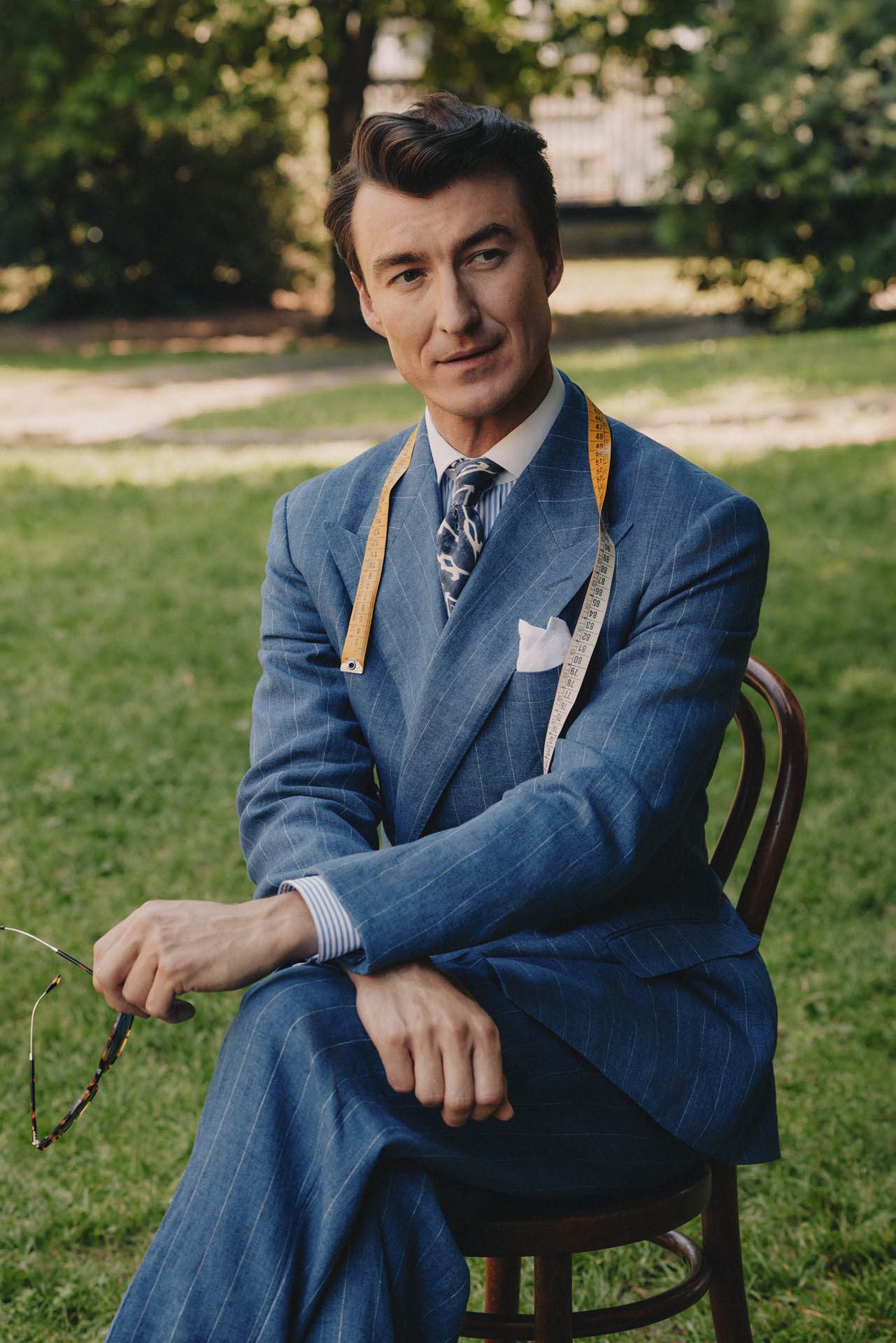
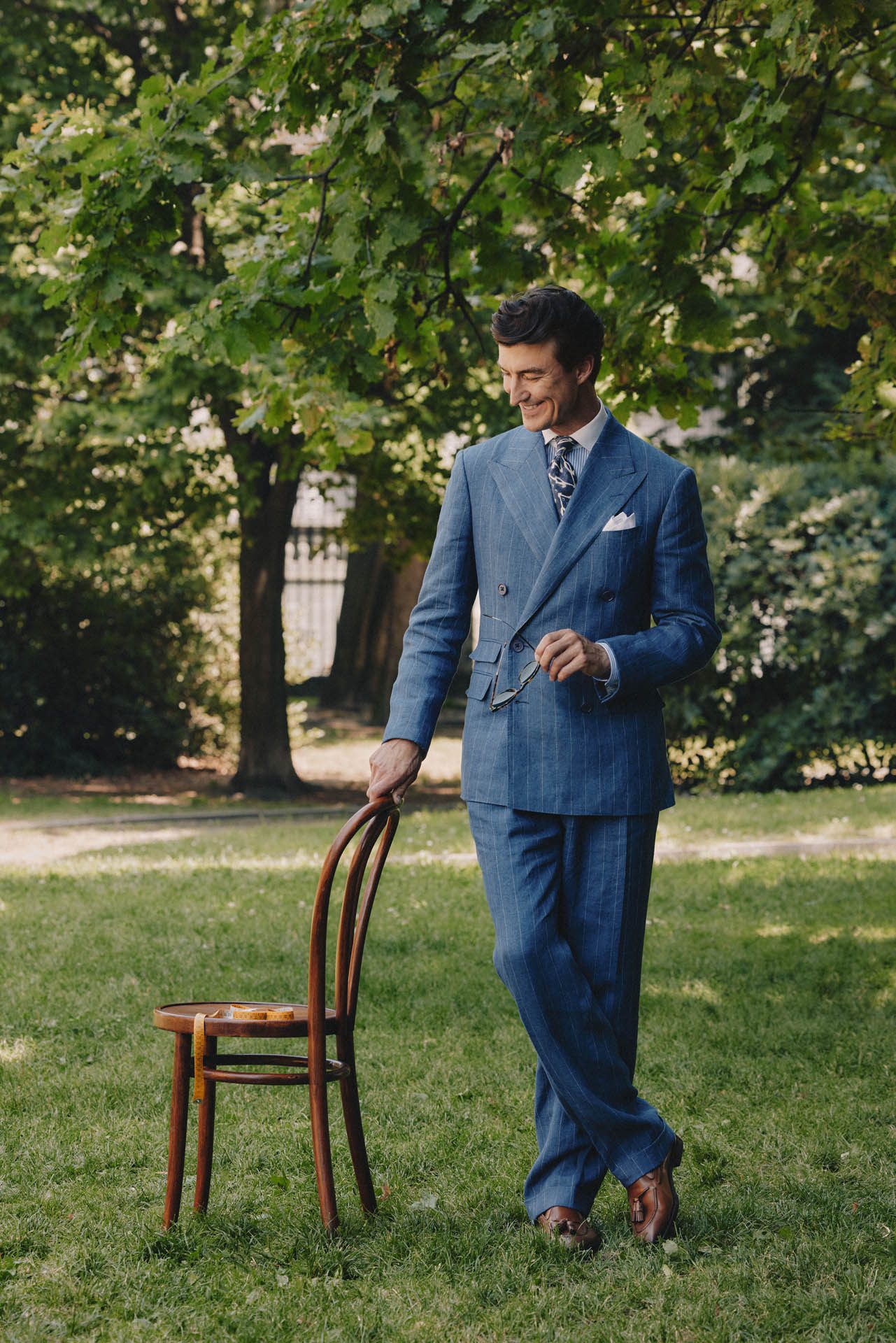
This year I had the chance to work with this brand, and I was genuinely surprised. Everything the brand claims to stand for isn’t just nice words, it’s real. Working with the team felt easy and comfortable, because it never felt like just another project. It felt like becoming part of a bigger story and philosophy that truly matched my own view of style. I was given space to stay myself, and I simply enjoyed the process and the moment.
For me, as someone who helps men find their own style, this confirmed something important: real elegance doesn’t come from following trends, it comes from a person matching what they truly believe in. That’s exactly what I felt working with Ralph Lauren.
I want to say thank you again for the trust and this opportunity.
Quote of the Week
“I don’t design clothes, I design dreams.”
Ralph Lauren
Fact in the Spotlight
Ralph Lauren built a multi-billion-dollar empire without ever attending a design school and without ever using a single focus group. Every decision was made purely on personal taste and confidence in his own vision.
That’s all for today. See you on Saturday next week!
Yours sincerely, Anton Masko