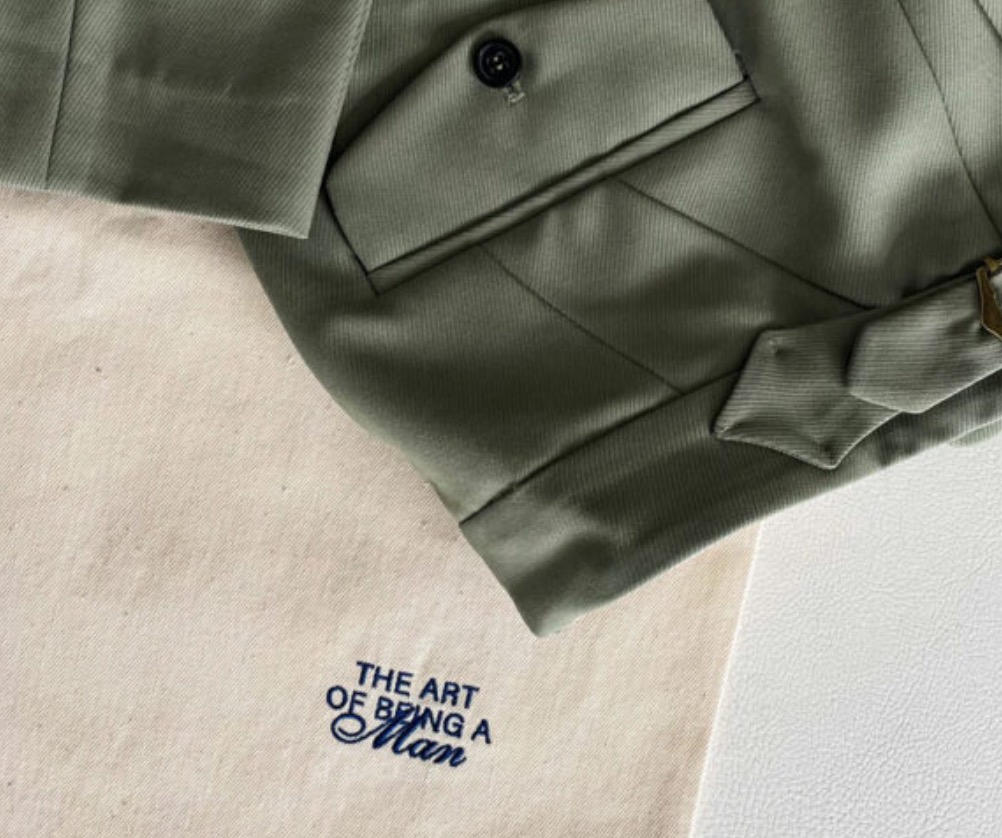
Concorso d’Eleganza Villa d’Este. Lake Como.
I had wanted to go for a long time.
Not because it’s trendy or because it’s in every second car magazine. But because there are places you know in advance are worth it — from photos, from the way people you trust talk about them, from the general sense that something real happens there. Concorso d’Eleganza Villa d’Este was exactly that kind of place for me. And this year I finally went.
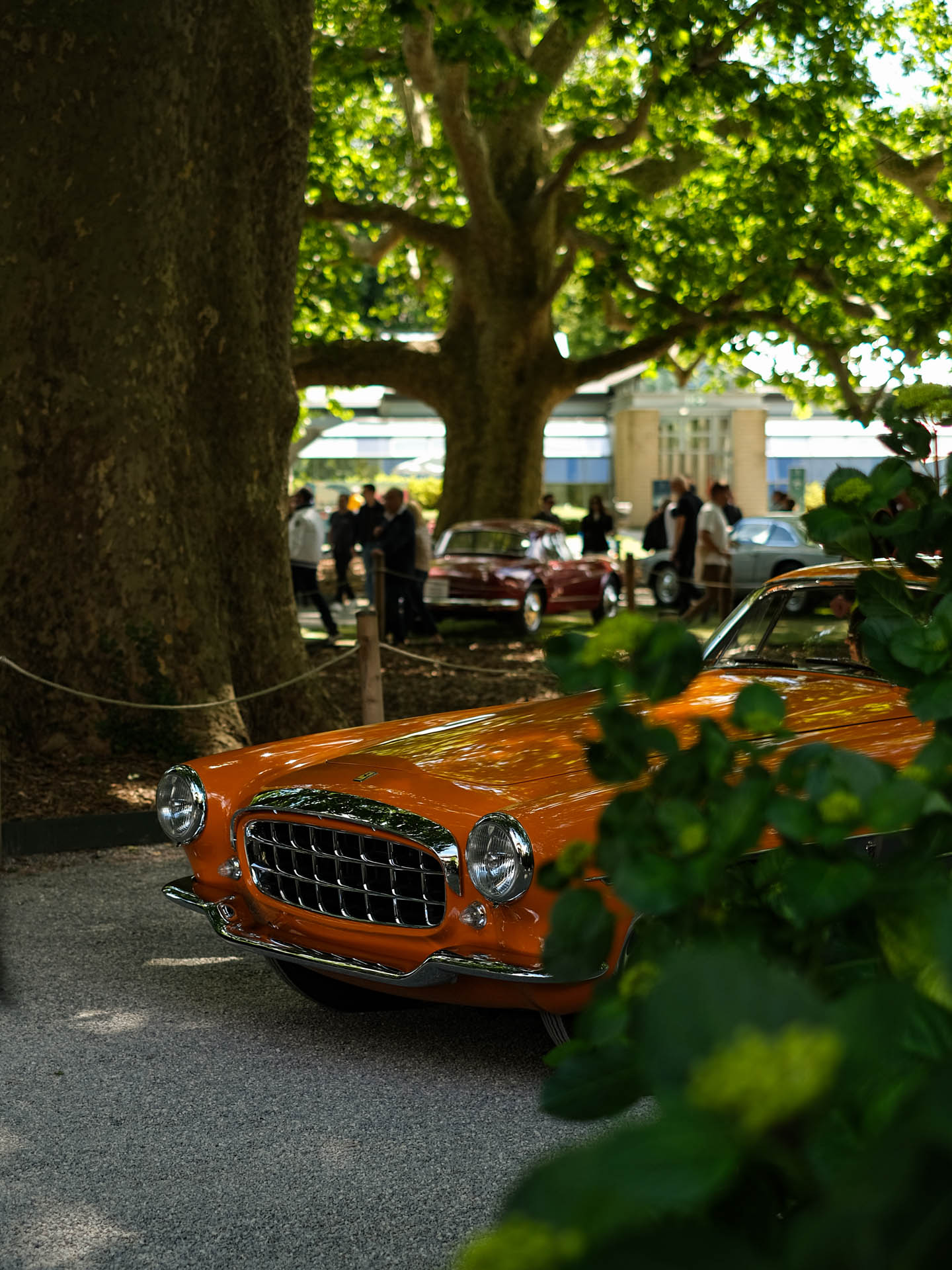
What It Is
Concorso d’Eleganza Villa d’Este is one of the oldest and most prestigious automotive events in the world. It takes place every year on the shores of Lake Como, in the gardens of Villa d’Este — one of the most beautiful hotels in Europe, with a history going back to the sixteenth century.
The first concorso was held here in 1929. Back then it was a social event for the Italian aristocracy — people arrived in the finest cars of the era and competed not just on technical merit but on elegance, on how the car complemented the owner, the outfit, the overall picture. This is not a race and not a motor show. It’s a beauty contest — where a jury evaluates historic and concept cars on criteria of style, rarity, and significance in the history of automotive design.
Since 1994 the event has been under the patronage of BMW Group — and you feel it in the level of organisation, the quality of participants, the scale of everything. Cars come here that you simply won’t see anywhere else in normal life — prototypes, one-of-a-kind pieces, automobiles from private collections that haven’t appeared in public for decades. Every year there’s a themed class — this time dedicated to a specific era and the coachbuilding houses whose work is still considered the standard for what a person can do with metal, leather, and an idea.
The Place
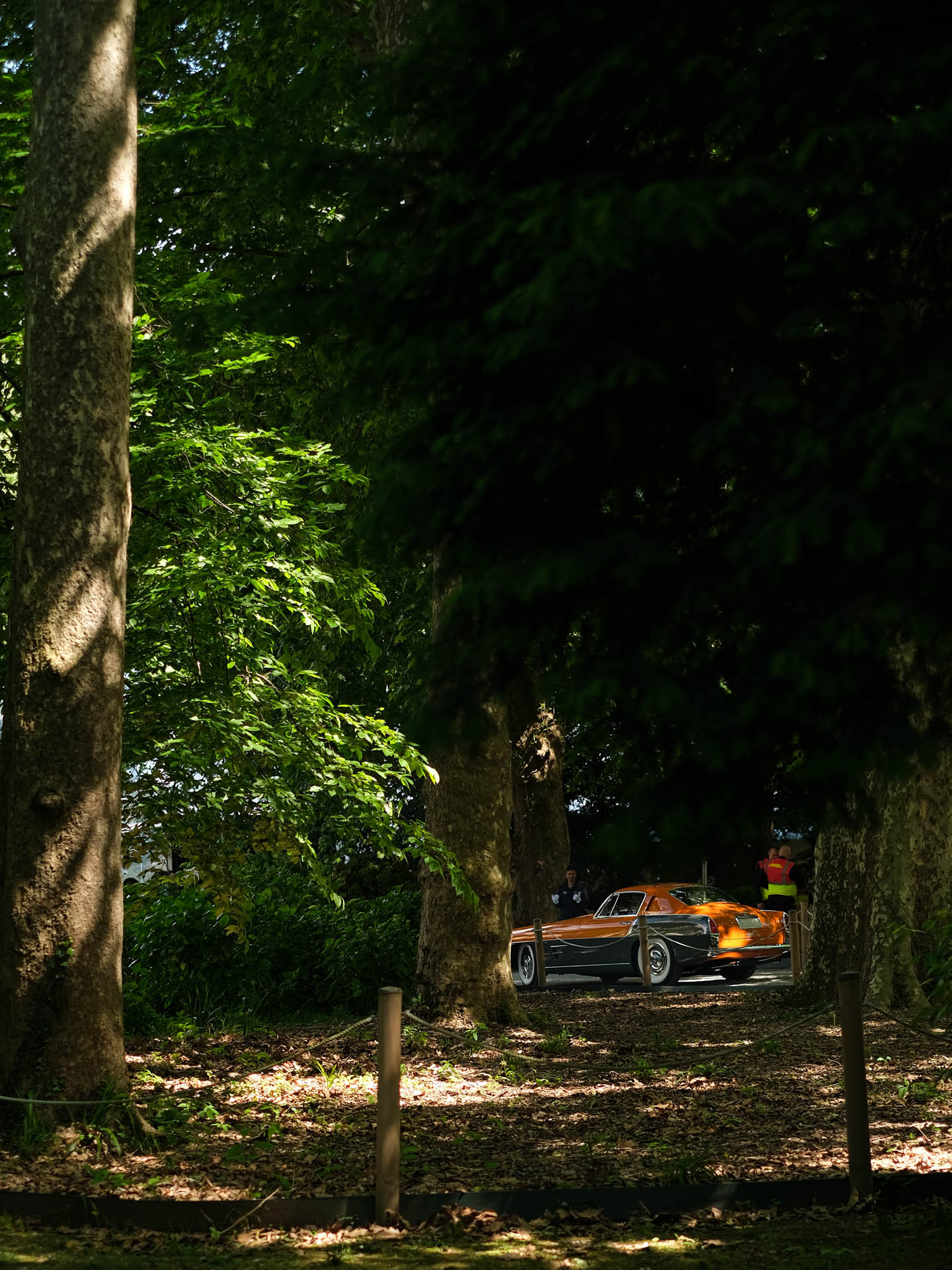
Lake Como is an argument on its own.
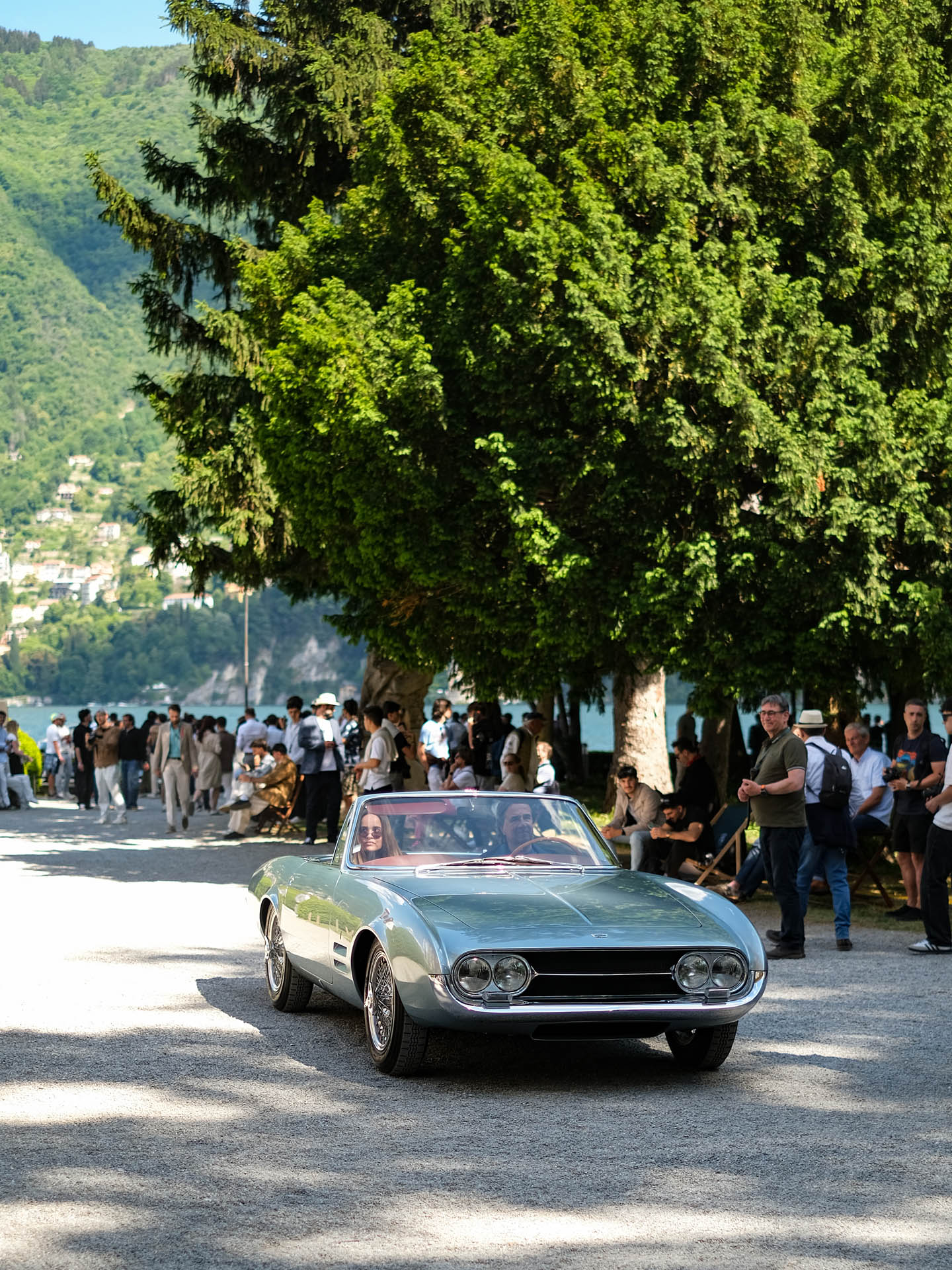
Villa d’Este sits right on the water. The gardens descend in terraces, old trees provide shade, everything is quiet and immaculately kept. Mountains on the opposite shore, boats on the water — and in the middle of all of it, cars that are works of art in their own right. The picture is so dense that for the first twenty minutes you just stand and look, not knowing where to begin.
I didn’t expect the place to make such a strong impression on me. I had seen photographs. But a photograph doesn’t capture the scale, doesn’t capture how it all feels when you’re actually standing there. It’s one of those places where you realise — I should have come sooner.
The Cars
That’s a conversation on its own.
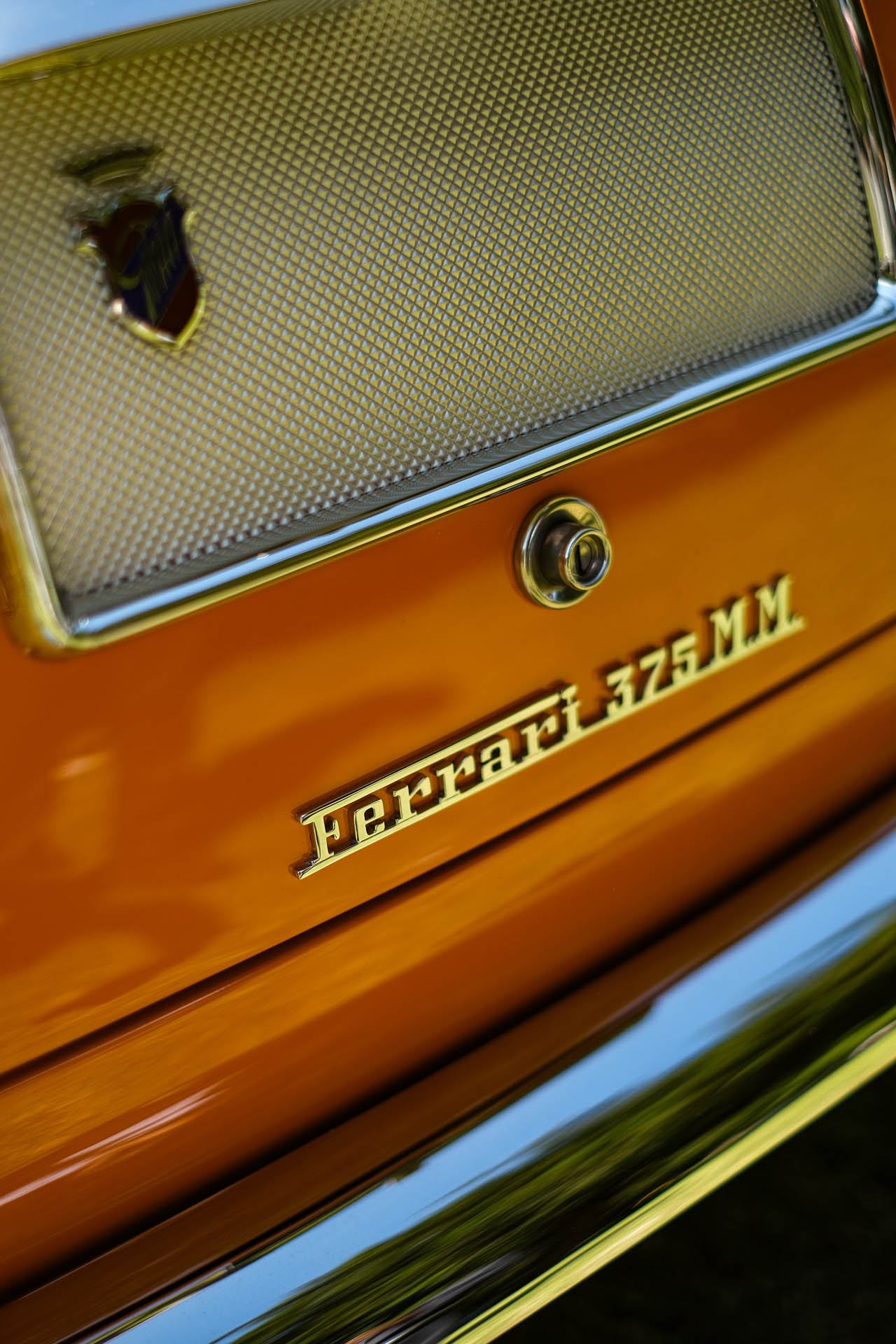
When you see that concentration of beauty in one place, something happens to your perception. You start noticing details that normally pass you by. How a body line works. How light sits on metal depending on the angle. How the proportions of one car make the one next to it look awkward — even if that one is also beautiful and also rare.
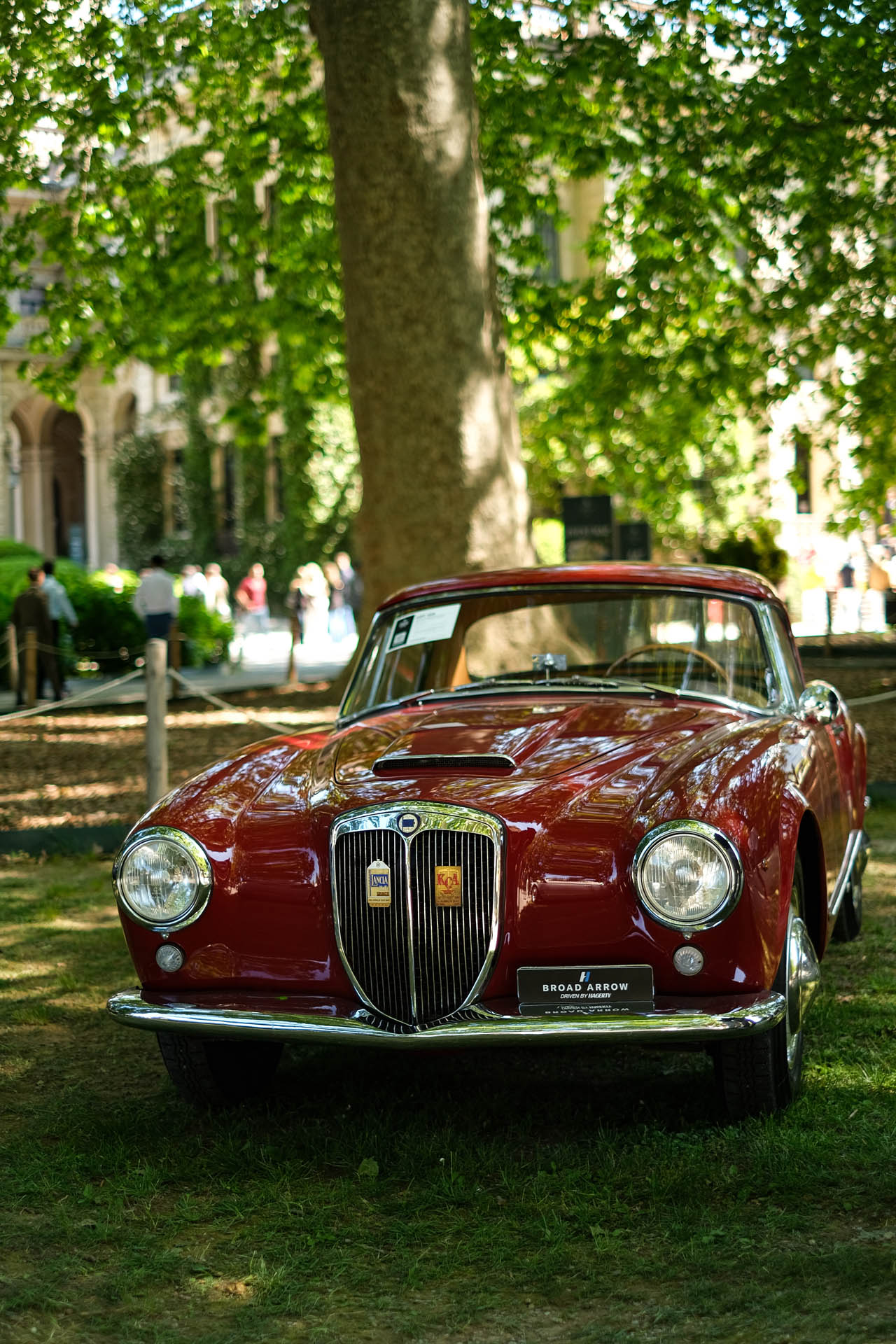
There were cars here that I had only ever seen in books. Cars that were designed not as transport but as a manifesto — of what can be beautiful, of how far you can go in the pursuit of form. Some of them were made as a single piece for a specific owner, for a specific way of life, for a specific idea of what the perfect car should be. And they still look like they were made yesterday.
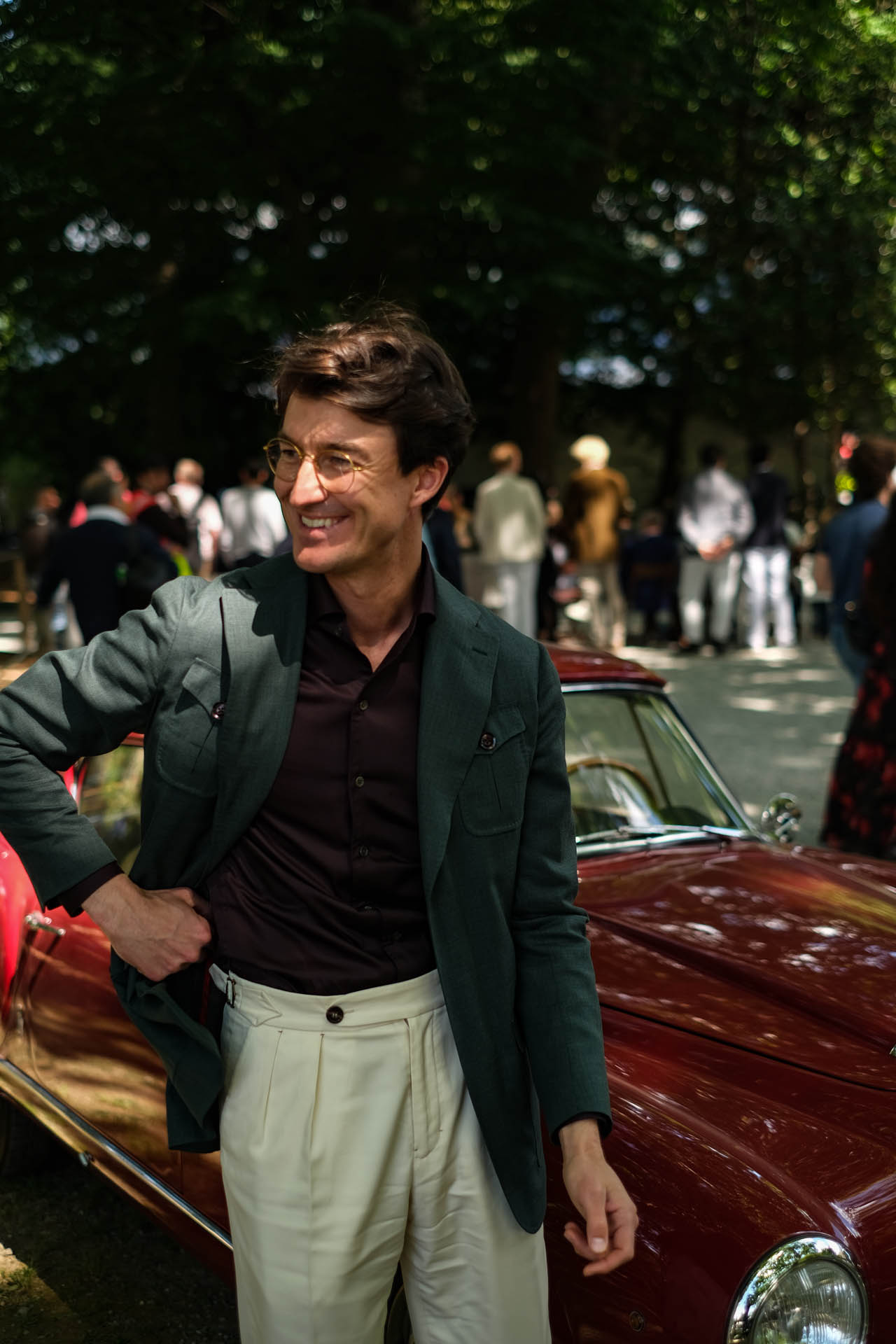
For me events like this aren’t just enjoyment. They’re work on visual perception. When you see many beautiful things in concentrated form, your eye starts working differently. You begin to understand better what proportion means, what restraint means, what a detail that works looks like versus one that’s unnecessary. This directly affects how I think about style — not just about cars, but about clothing, about how a person puts themselves together.
The Other Side
I’ll be honest.
I didn’t expect it to be so crowded. Concorso d’Eleganza has long stopped being an intimate event — thousands of people come, and at some point the crowd starts competing with the cars themselves for space and attention. There are moments when you just want to stop next to a car and really look at it — and that’s difficult when there’s constant movement around you.
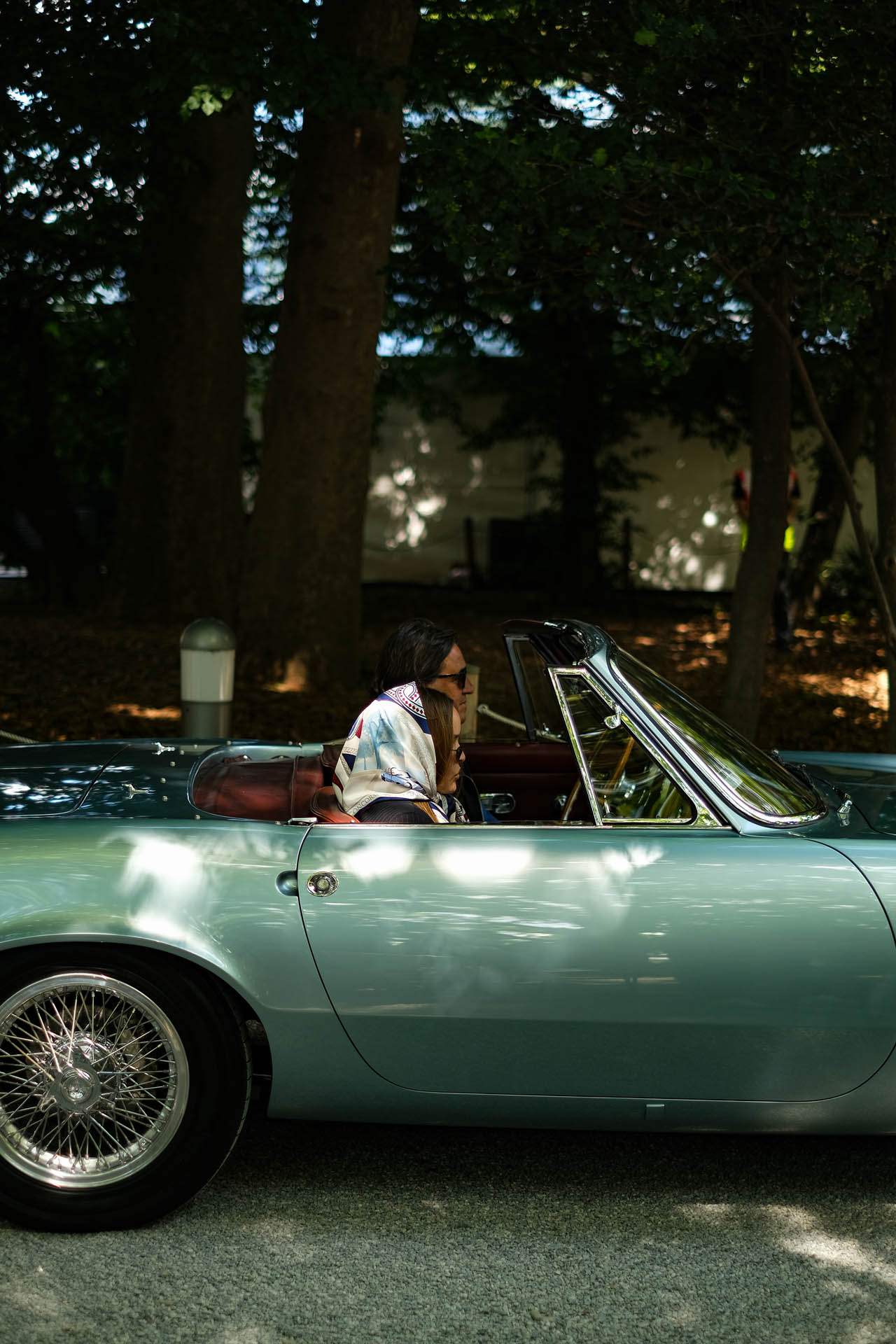
This doesn’t make the event worse. But it’s worth knowing in advance. Come early, move slowly, don’t try to see everything at once. That’s when it works the way it should.
Is It Worth Going
Absolutely yes.
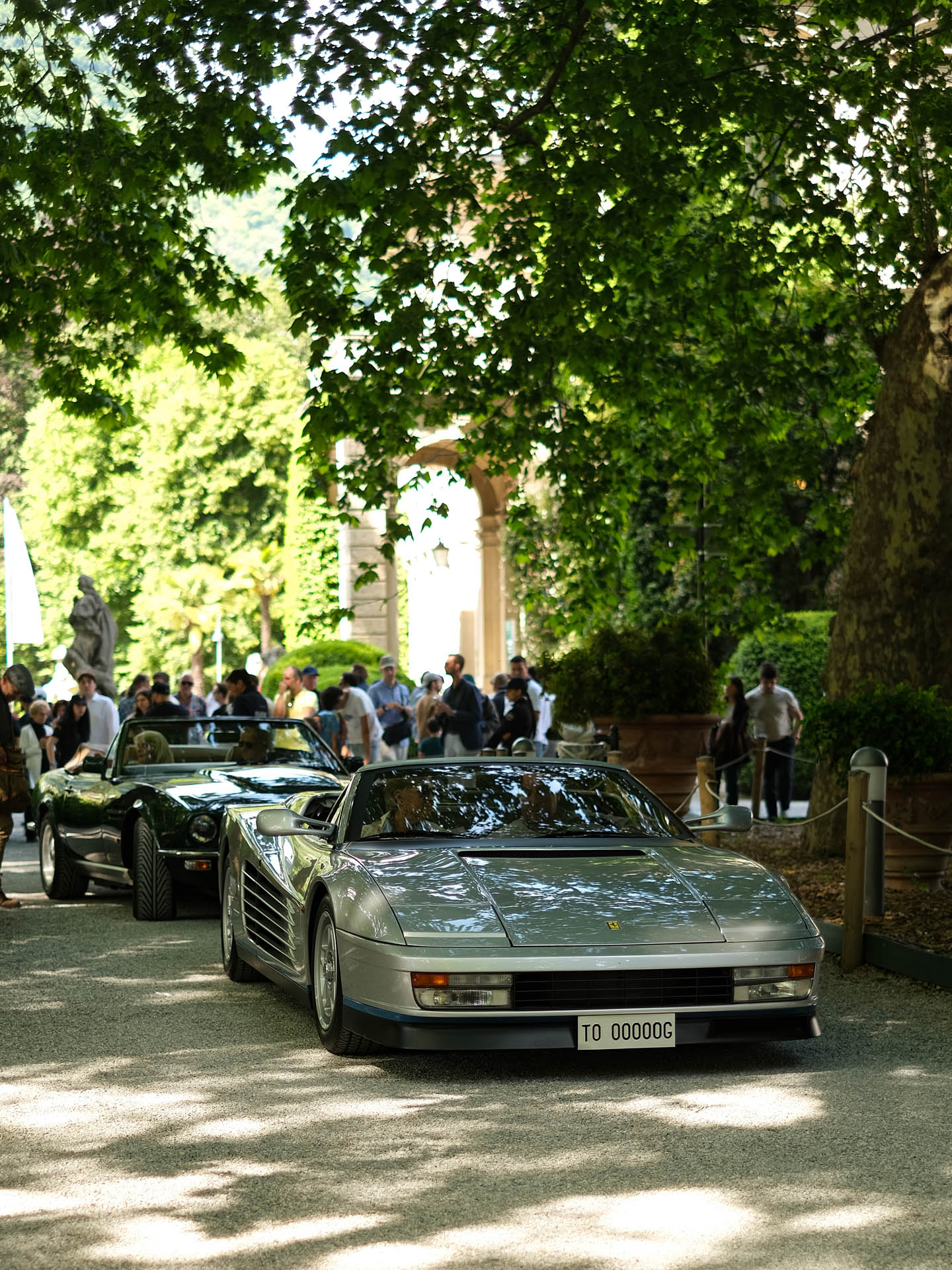
This is one of those events worth seeing at least once — not because you’re a car enthusiast, but because it’s a rare chance to see that much beauty in one place, at one time, in one of the most beautiful corners of Europe. Great cars, interesting people, a strong location — all of it together creates something that’s hard to describe but easy to feel when you’re there.
I’m glad I went. And I’ll be back.
At Elety we often talk about visual perception as a skill that can and should be developed. Places like Villa d’Este are one of the best ways to do that. They show you what it looks like when everything is in its right place, when form and content align, when something is made with intention rather than just made. That directly affects how you think about your own personal style and how you present yourself to the world. If you want to work on that — we’re on our website.
Quote of the Week
Beauty is the promise of happiness.
Stendhal
Fact in the Spotlight
Villa d’Este was built in 1568 by Cardinal Tolomeo Gallio. Over its history it has been the residence of aristocrats, the headquarters of Napoleonic troops, and the home of Queen Caroline of Brunswick. It became a hotel in 1873 — and has been welcoming guests ever since, remaining one of the few places in the world where history isn’t reconstructed, it simply continues.
That’s all for today. See you on Saturday next week!
Yours sincerely, Anton Masko