Gentleman's Theatre Style: My Thoughts on Theatre and Dress Code
When I go to the theatre, I often notice how people no longer see it as a special place. The atmosphere, which should feel elegant and festive, is often broken by hoodies, jeans, or backpacks in the hall. And every time I see this, I feel a little sad. The theatre is not only about the play. It is culture, it is ritual, it is respect.
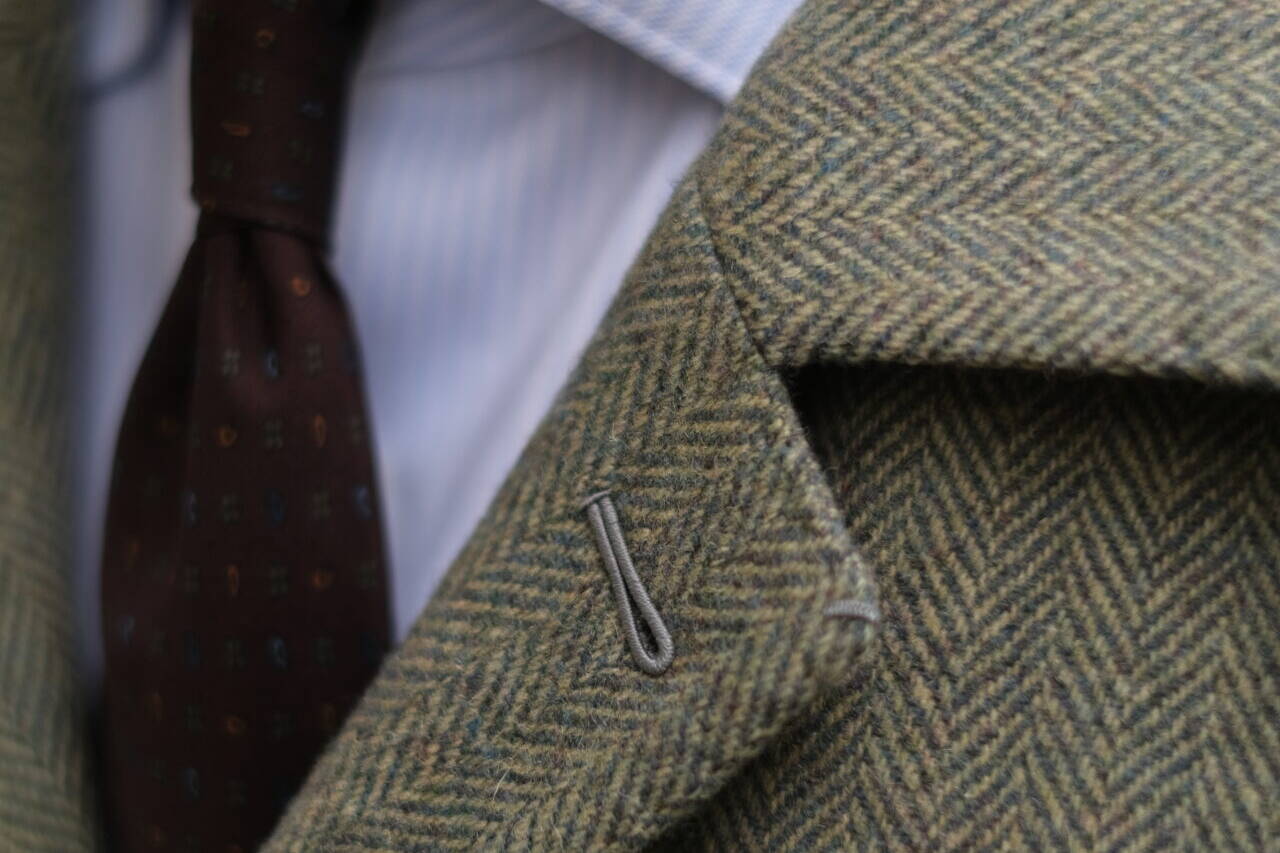
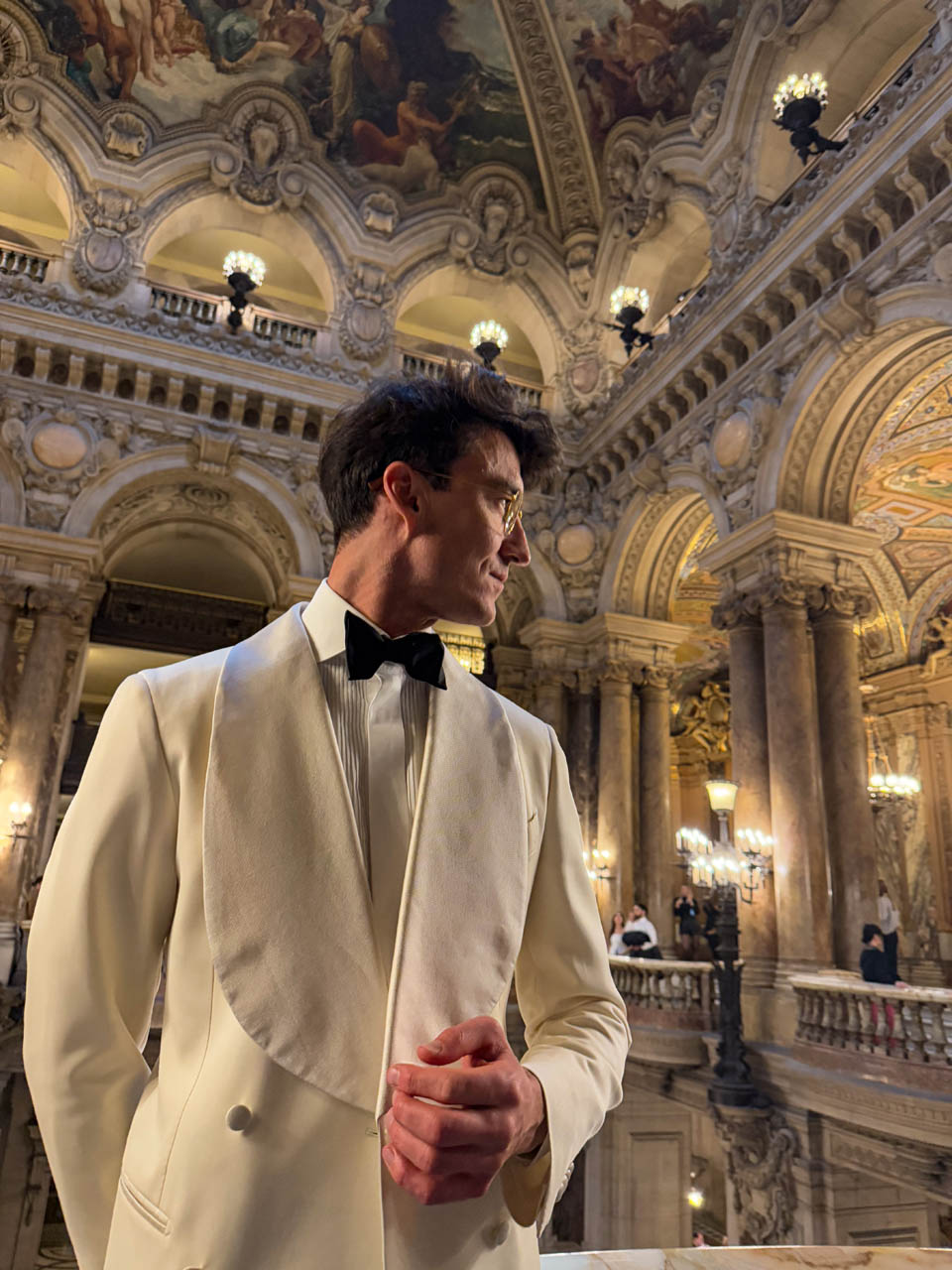
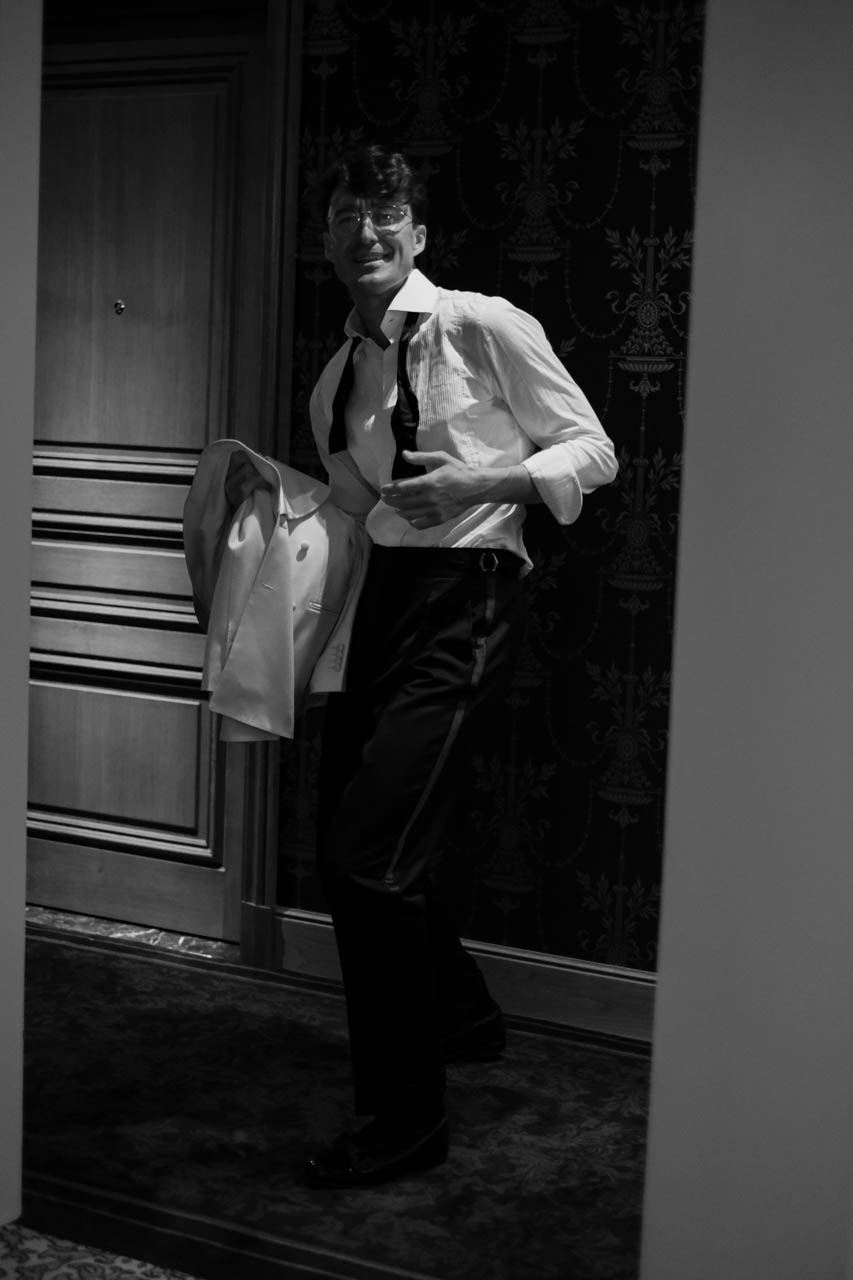
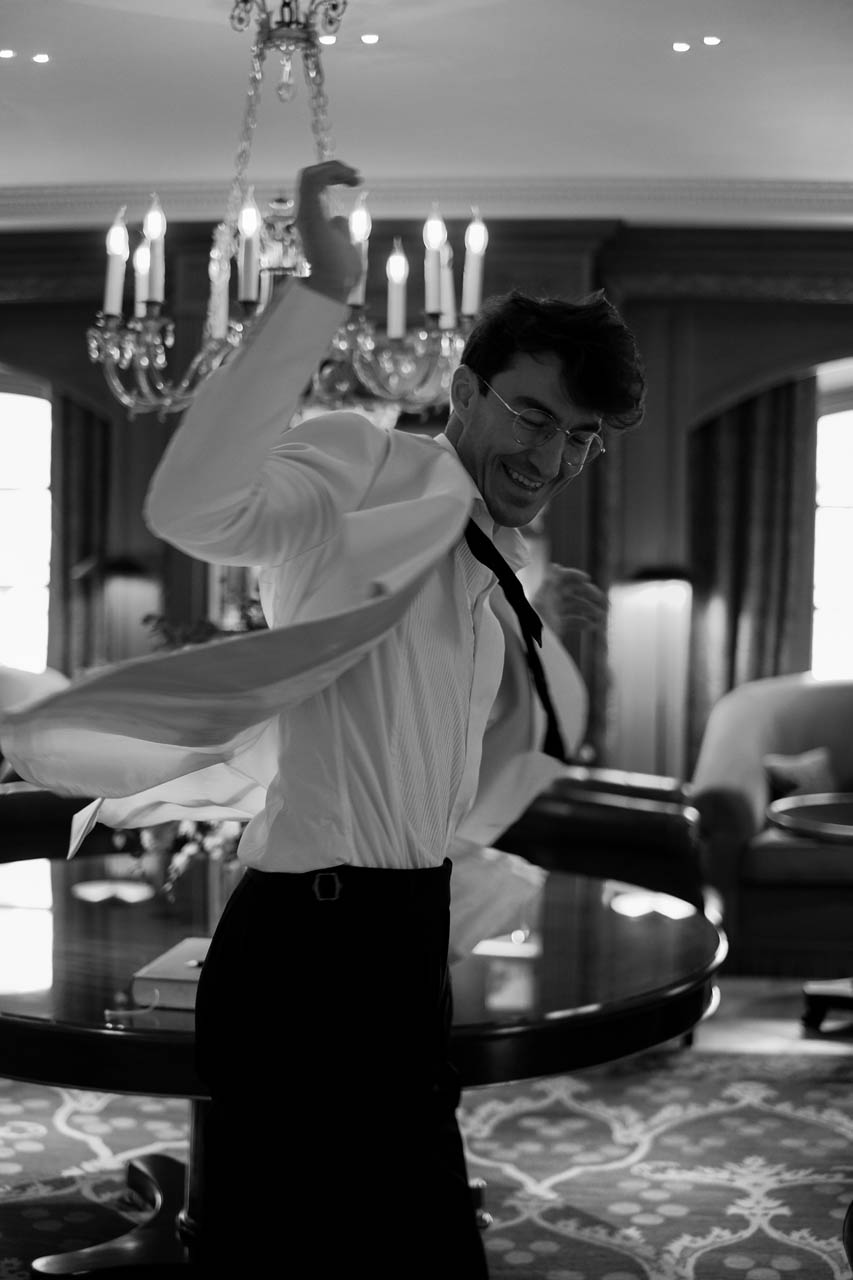
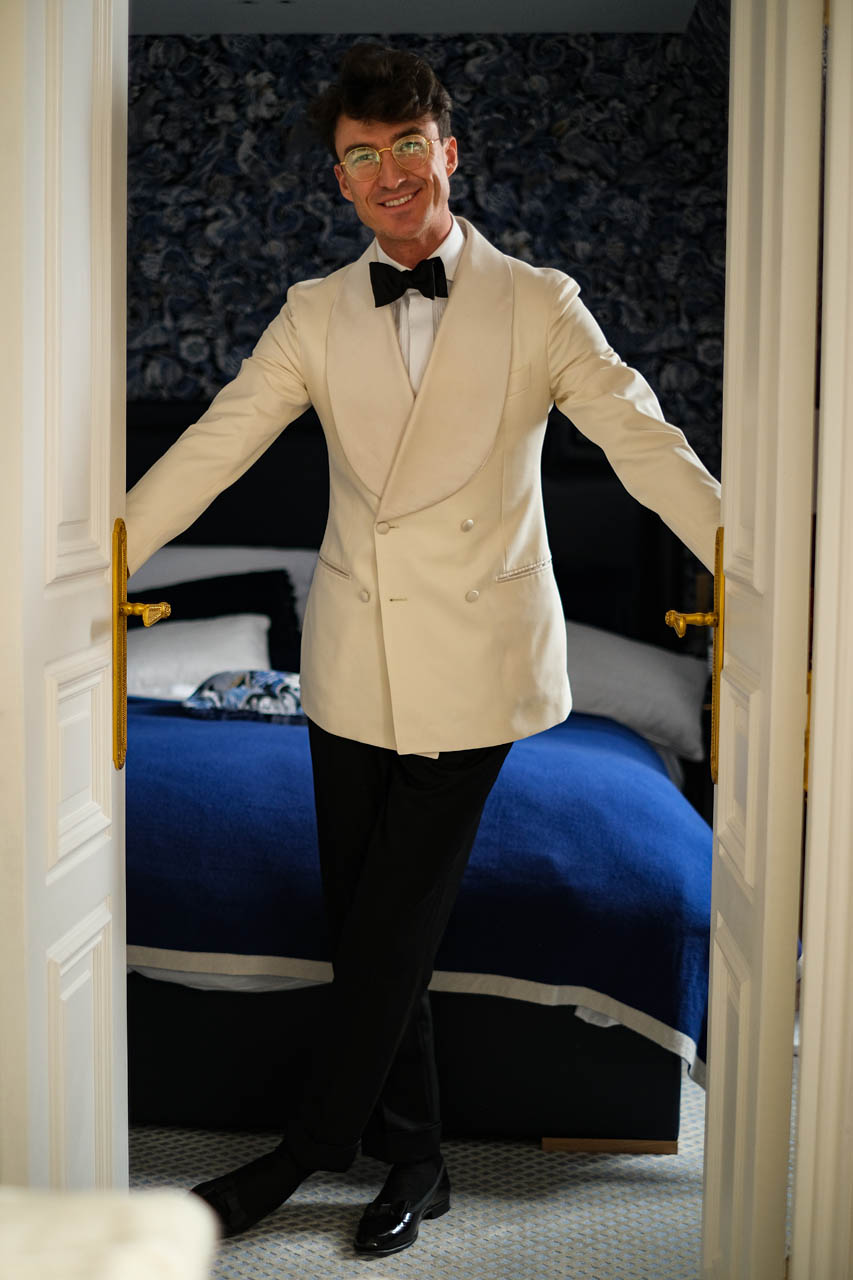
For me, clothing in the theatre has always been part of this culture. It shows respect for myself, for the place, for the people around me. When I wear a suit, or at least a shirt and trousers, I set myself into the right mood. The evening feels special even before the curtain rises. I believe that dressing for the theatre is not vanity, but a way to show that we value the occasion.
How I See the Dress Code
I do not believe the theatre demands strict rules. Nobody says you must wear a tuxedo or a formal suit. But I am convinced that jeans and hoodies in the theatre are disrespectful. Even simple trousers and a shirt already create the atmosphere we are all looking for. Clothes help us switch our state of mind: they prepare us to enter a different space, where art and culture should feel higher than everyday life.
What to Consider
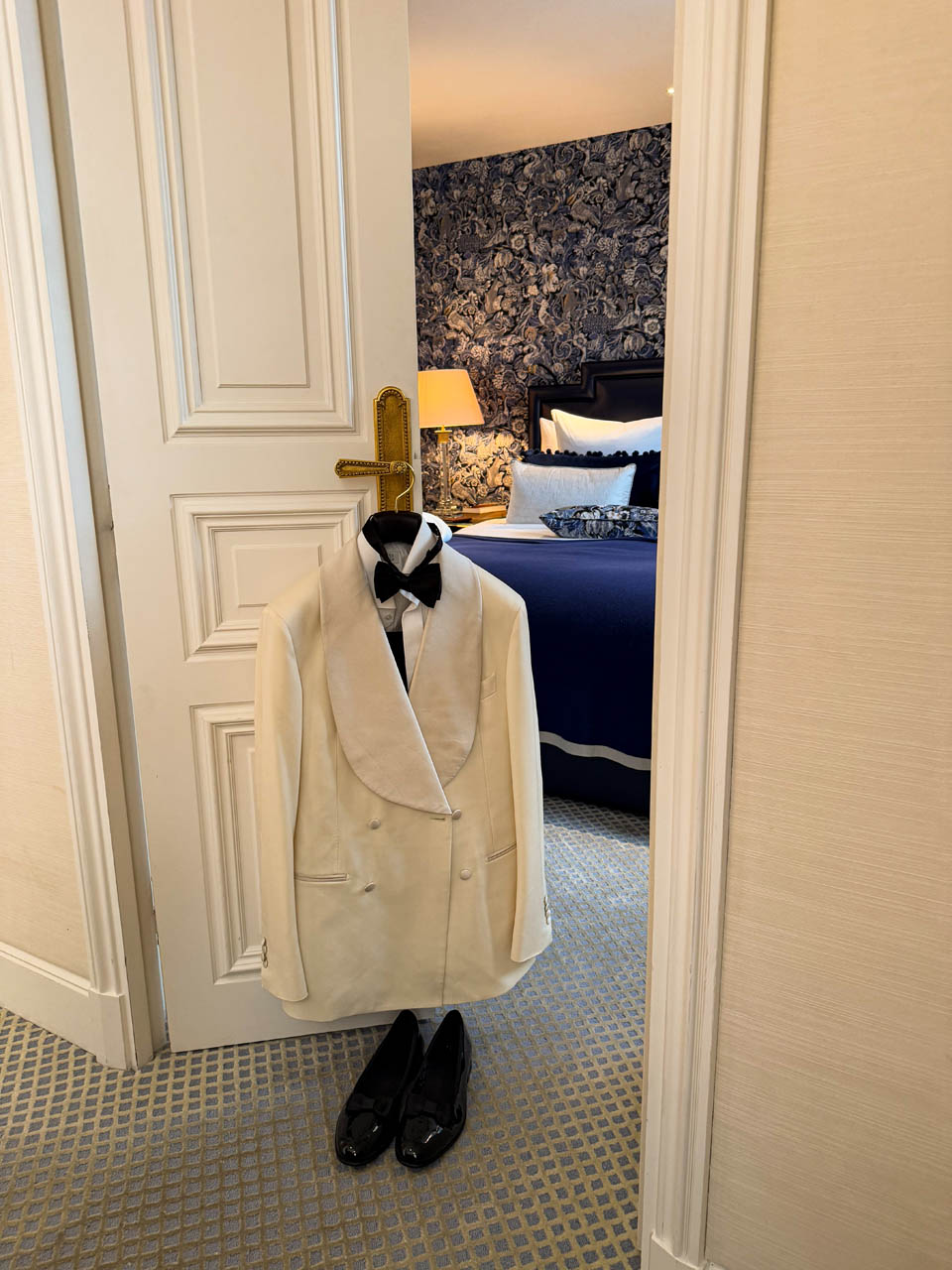
- A suit — always a winning choice. Especially navy or grey: versatile, elegant, and easy to combine with different shirts and shoes.
- Trousers and a shirt — the minimum set that already works. If there is no chance to wear a suit, this option is more than enough. With a jacket added, it becomes almost as refined as tailoring.
- Shoes — for me, this is key. Clean leather shoes or loafers show care and attention to detail. Sneakers, even the most expensive ones, rarely give the same impression.
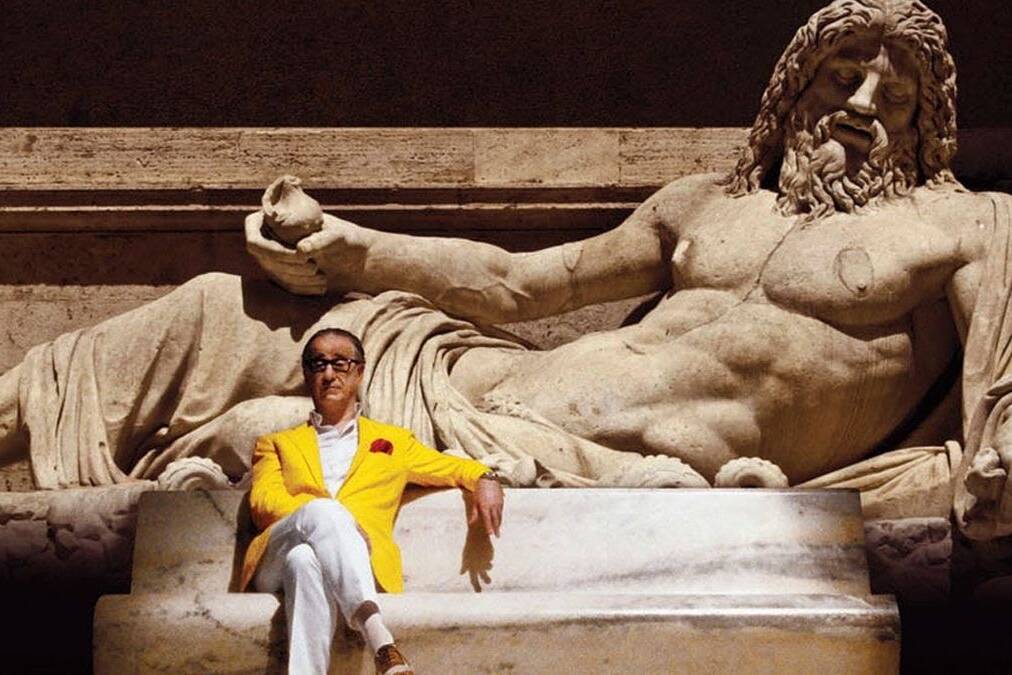
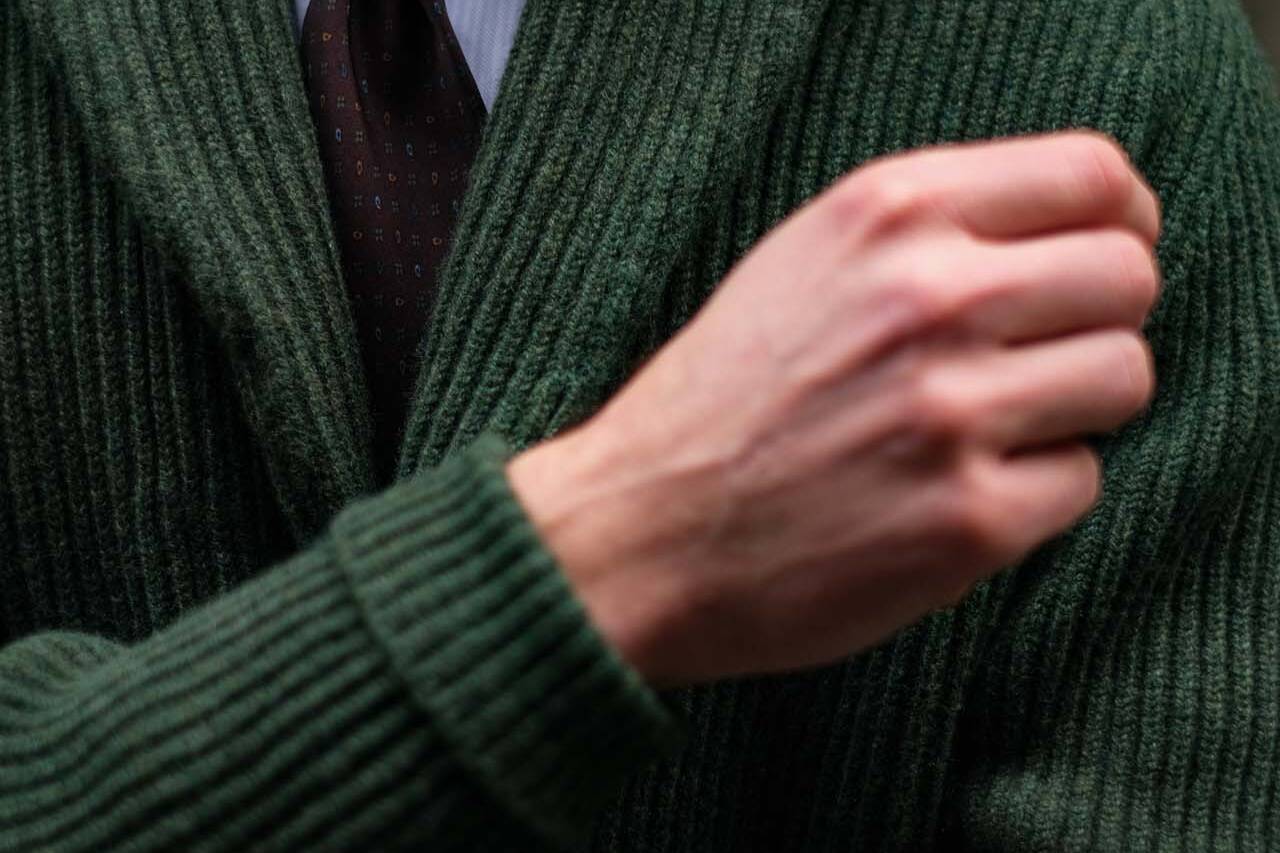
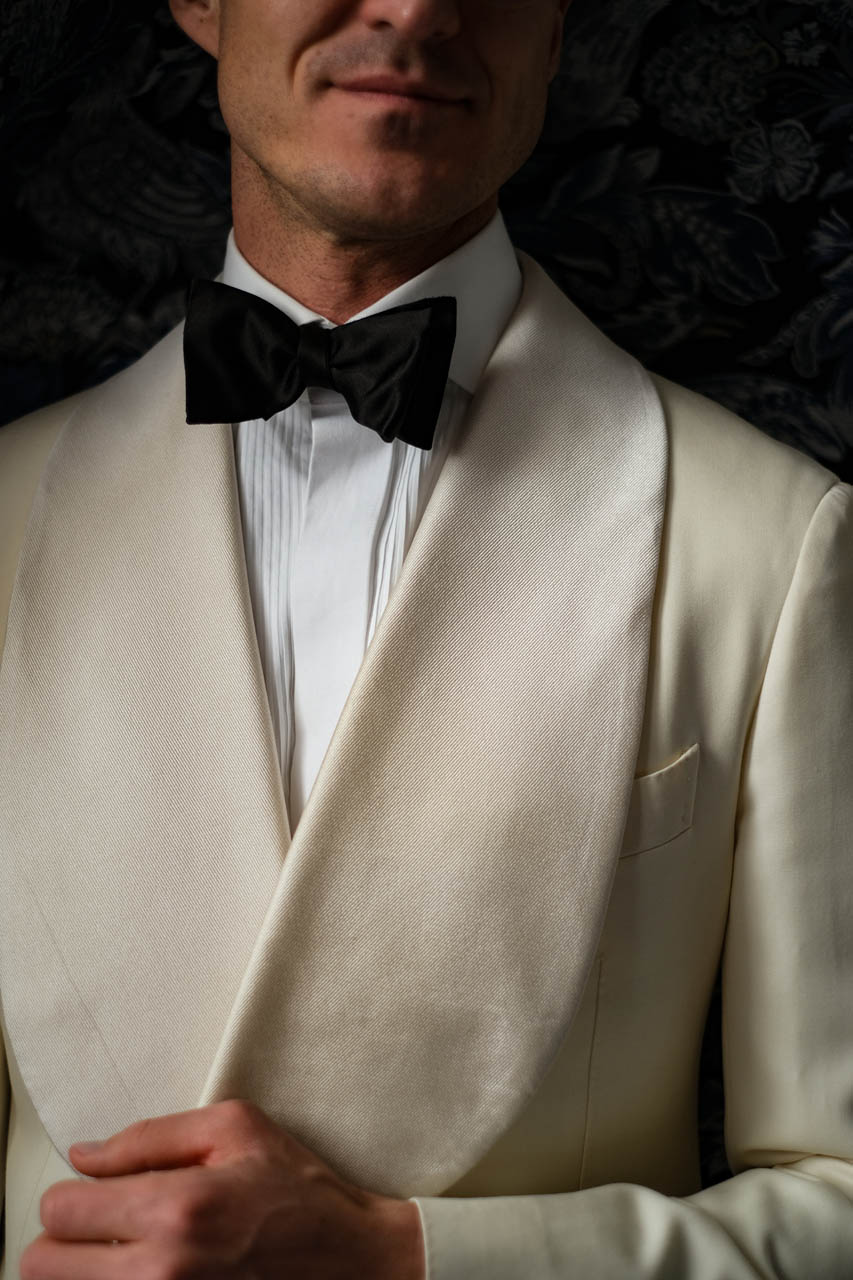
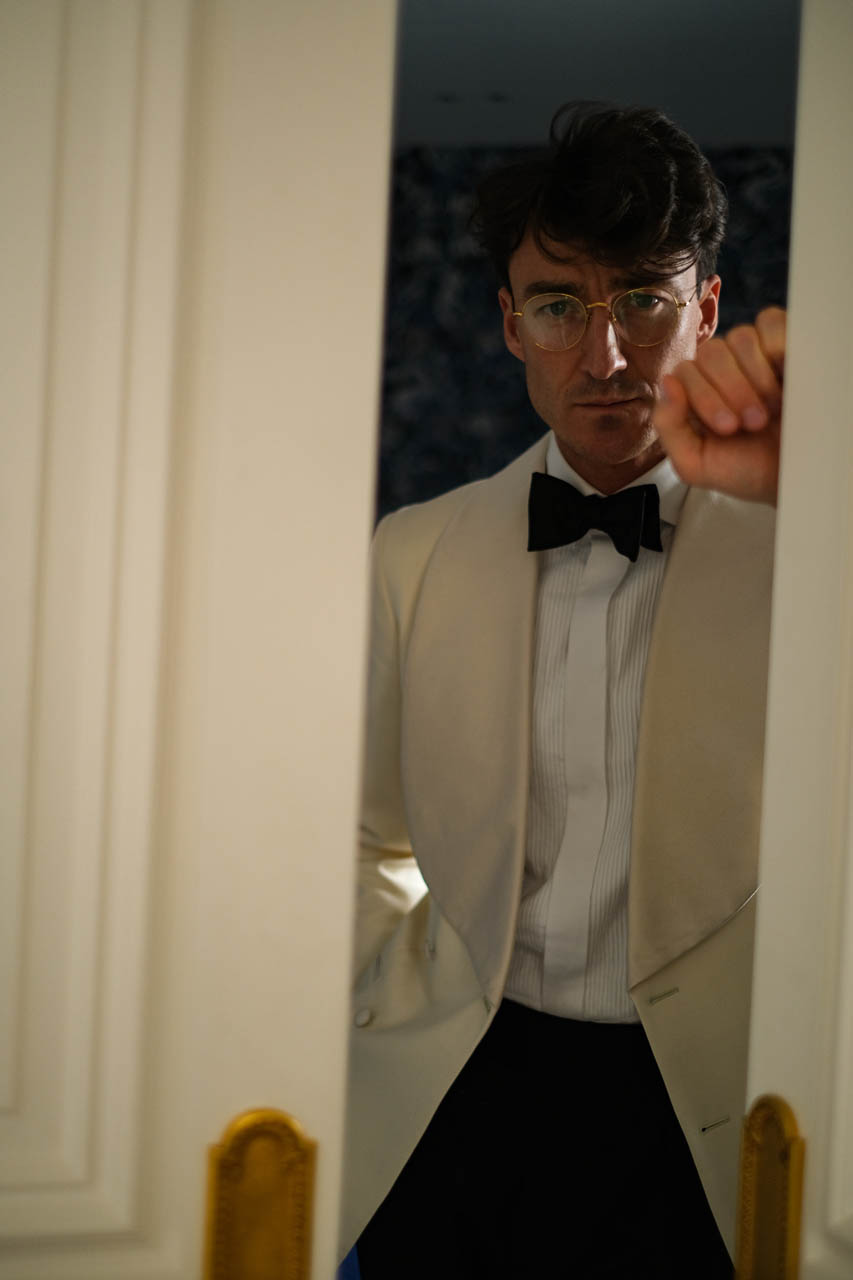
- Accessories. A pocket square, a light jacket or cardigan add personality without breaking the code. Small details tell that you thought about the evening.
When we prepare in this way, we show not only style but also attitude. And this attitude is what transforms the evening into something memorable.
What I Avoid
- Backpacks or sports bags. They make the look too casual and disturb the line of a jacket or coat.
- Jeans and sportswear. They feel out of place in the theatre, as if one came directly from the gym or the street.
- Too many loud details. I avoid flashy patterns, bright sneakers, or oversized logos. The focus of the evening should be the stage, not the audience.
I believe that simplicity with taste is always stronger than trying to attract attention with noise.
My Recommendations
The theatre is a chance to step out of daily routine and create a special evening. Clothing is a big part of that. So my advice is simple:
- Prepare for the theatre as you prepare for something valuable. Think of it as a meeting with art.
- Do not look for strict rules — look for respect. If you respect the place, the people and yourself, you will choose well.
- If a suit feels too formal, choose trousers and a shirt. Even this small step makes a huge difference compared to jeans and hoodies.
- Pay attention to details. They are the essence of style and the language through which we show care.
These small efforts cost little, but the reward is big: the evening acquires a different weight, and the theatre remains what it is meant to be — a place of culture and beauty.
Conclusion
For me, every visit to the theatre is a small celebration. And I am sure: culture begins with such details. When we come not in jeans and hoodies, but in clothes that underline the occasion, we keep the atmosphere the theatre was meant to have.
So my request is simple: let’s respect the theatre. Let’s respect the art, the space, and each other. Because the play begins not with the first scene, but from the very moment you enter the hall.
Quote of the Week
Culture is the widening of the mind and of the spirit.
Jawaharlal Nehru
Fact in the Spotlight
When architect Charles Garnier was designing the opera house, a huge amount of groundwater was discovered beneath the site. It was impossible to drain it completely, so a real underground reservoir was built under the building — and it still exists today. This very place became the inspiration for the underground lake in Gaston Leroux’s famous novel “The Phantom of the Opera.”
That’s all for today. See you on Saturday next week!
Yours sincerely, Anton Masko