The Quiet Man – Part I: Things
What Actually Makes a Man Stand Out
The Quiet Man — a three-part series by Elety. Most style advice tells you what to buy. This series is about something harder — and more lasting.
Over three parts, we’re looking at what actually shapes the way a man is perceived: the things he chooses, the habits he builds, and the way he shows up. Not a checklist. More like a conversation worth having.
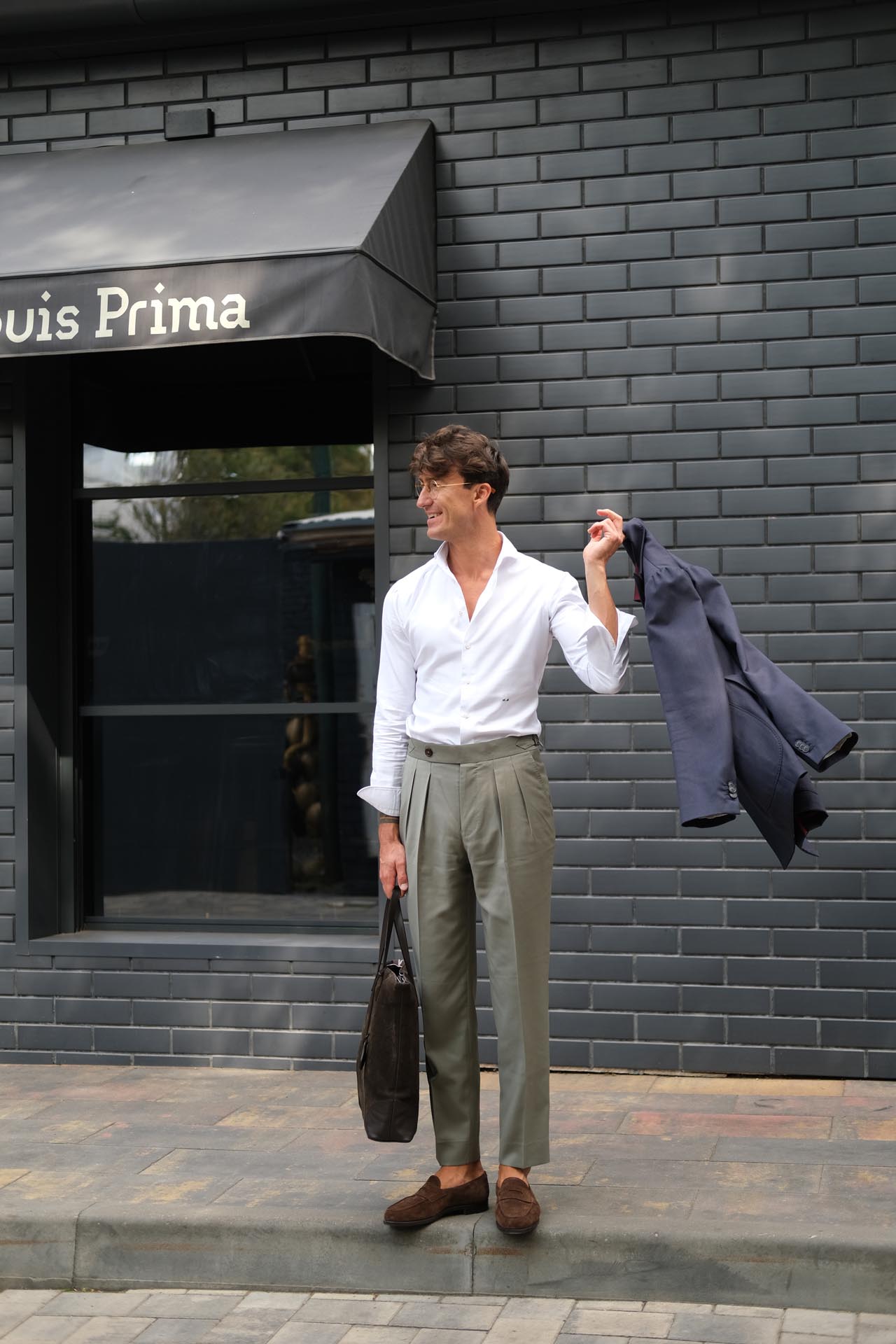
Part I — Things (you’re reading it now) What you wear, how it fits, and why the right object on the wrong man still misses the point.
Part II — Habits The invisible architecture of a man’s character. What you do consistently, when no one’s watching.
Part III — Presence How a man behaves under pressure, in conversation, and when there’s nothing left to hide behind.
Three parts. One idea: style isn’t what you put on. It’s what you can’t take off.
There’s an old saying everyone knows and almost no one takes seriously: a man is defined by his actions. It sounds like something from a school textbook — advice from a grandfather you politely listened to and forgot. But honestly, it’s more accurate than most style advice you’ll find online today.
That said, things matter too. Just not in the way most people think.

Things
Good things don’t shout. Take a Rolex — on one man it sits like it’s always been there, you notice it by accident when he reaches for his cup. On another — the same model, but it’s immediately clear: he bought the watch to be seen wearing it. The first one probably doesn’t think about what he’s wearing at all. The second thinks about it constantly. The difference isn’t in the watch. The difference is in why it’s being worn.
This is exactly what a good men’s stylist works with — not just picking clothes, but understanding what a man wants to communicate. A great personal style for men isn’t about following trends. It’s about building a visual language that’s unmistakably yours.
But it’s not about price. It’s about intention. A man with one jacket that fits perfectly and has lasted ten years looks better than someone who reinvents his wardrobe every season searching for himself. Because behind the first, you sense a choice. Behind the second — insecurity.
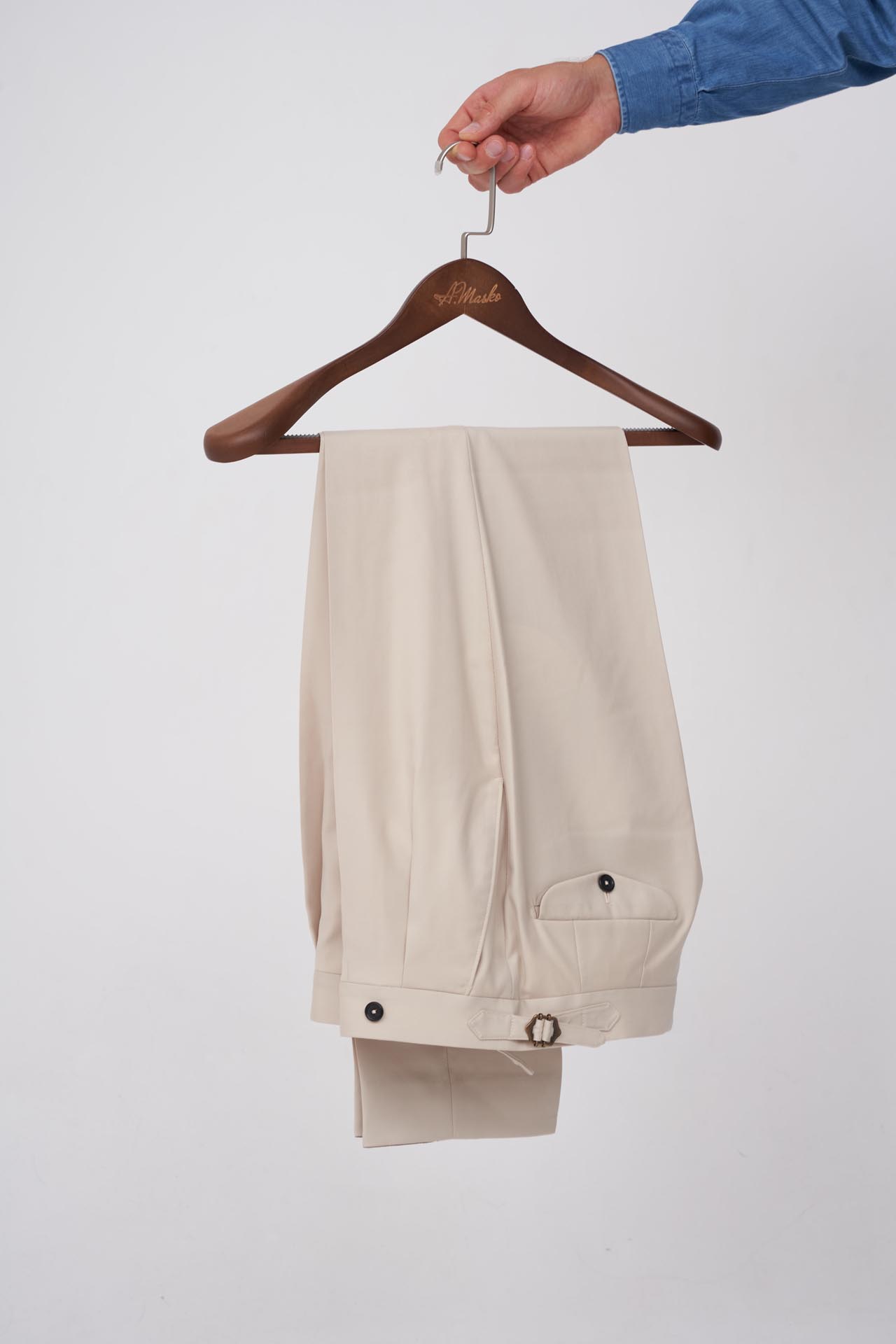
Scent. Probably the most underrated of all. A good, subtle fragrance is presence without effort. People remember it even when they forget your face — even when they can’t quite describe it, only that something was there. A cologne shouldn’t enter the room before you and shouldn’t demand attention. It should linger after you’ve left. Quietly. Like the aftertaste of a good conversation.
Hands. Not necessarily a manicure — but well-kept hands. They reveal a man’s relationship with himself before he’s had a chance to say anything. It’s the first thing people notice at a handshake, across a table, in any gesture — often without realising it. Dry, cracked, with dirt under the nails — that’s not about poverty or physical work. It’s about attention to oneself. Or the lack of it.
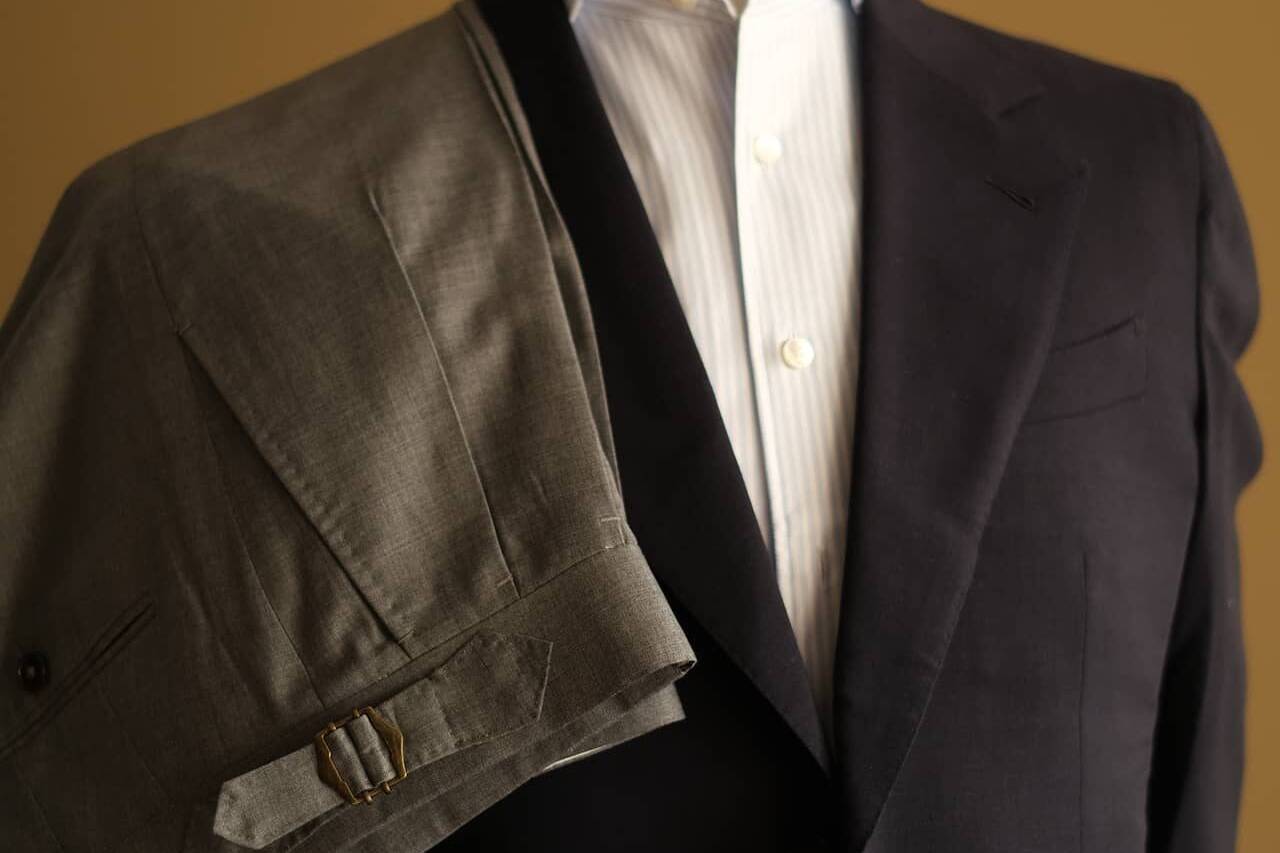
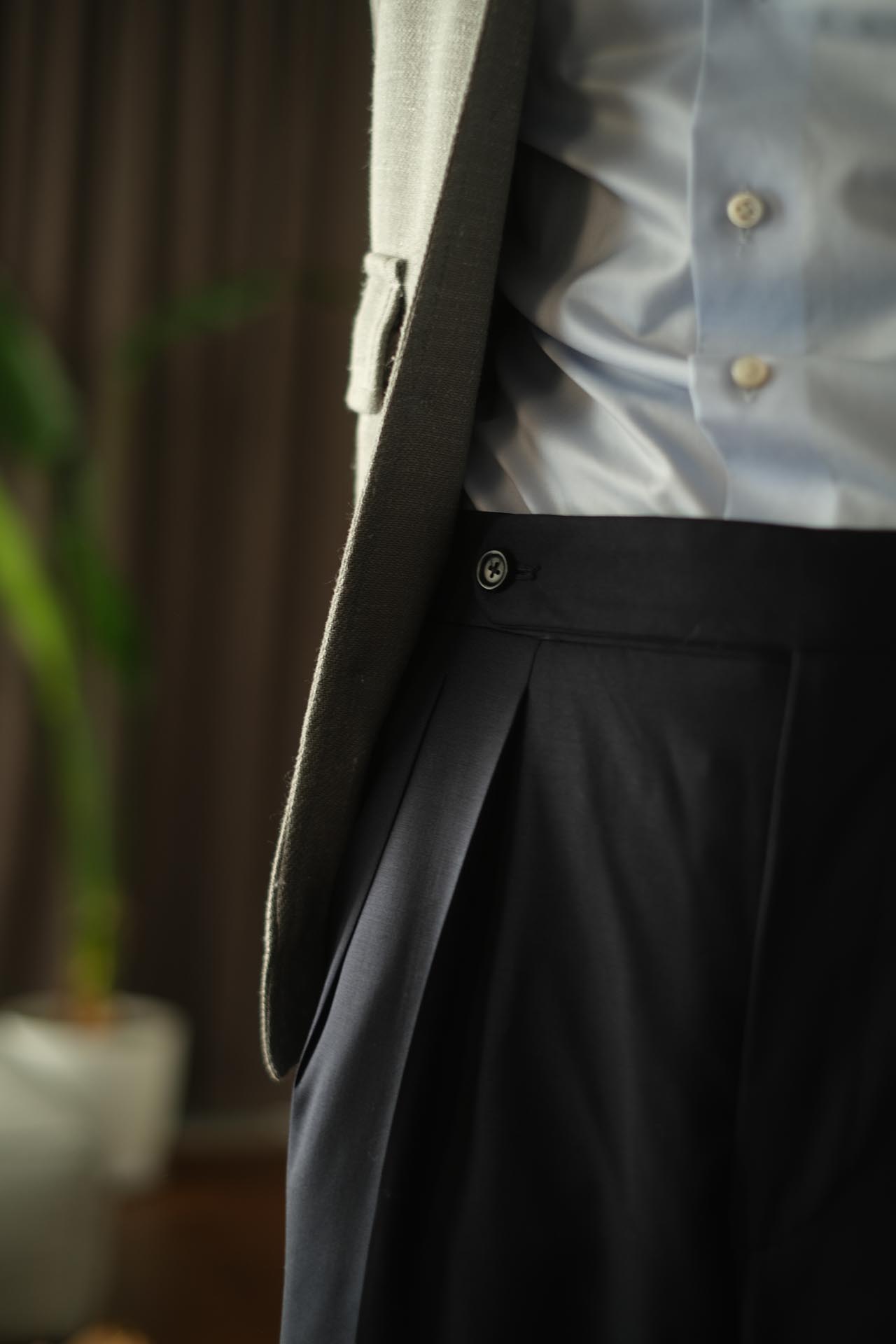
Fit. One item that doesn’t fit right and the whole look falls apart. An expensive jacket hanging off your shoulders looks worse than a simple one that’s been tailored. A shirt pulling across the stomach. Trousers creasing in the wrong places. All of it speaks before you do — and says something you didn’t intend. Fit beats brand. Always. One visit to a tailor costs less than a new piece of clothing — and changes more.
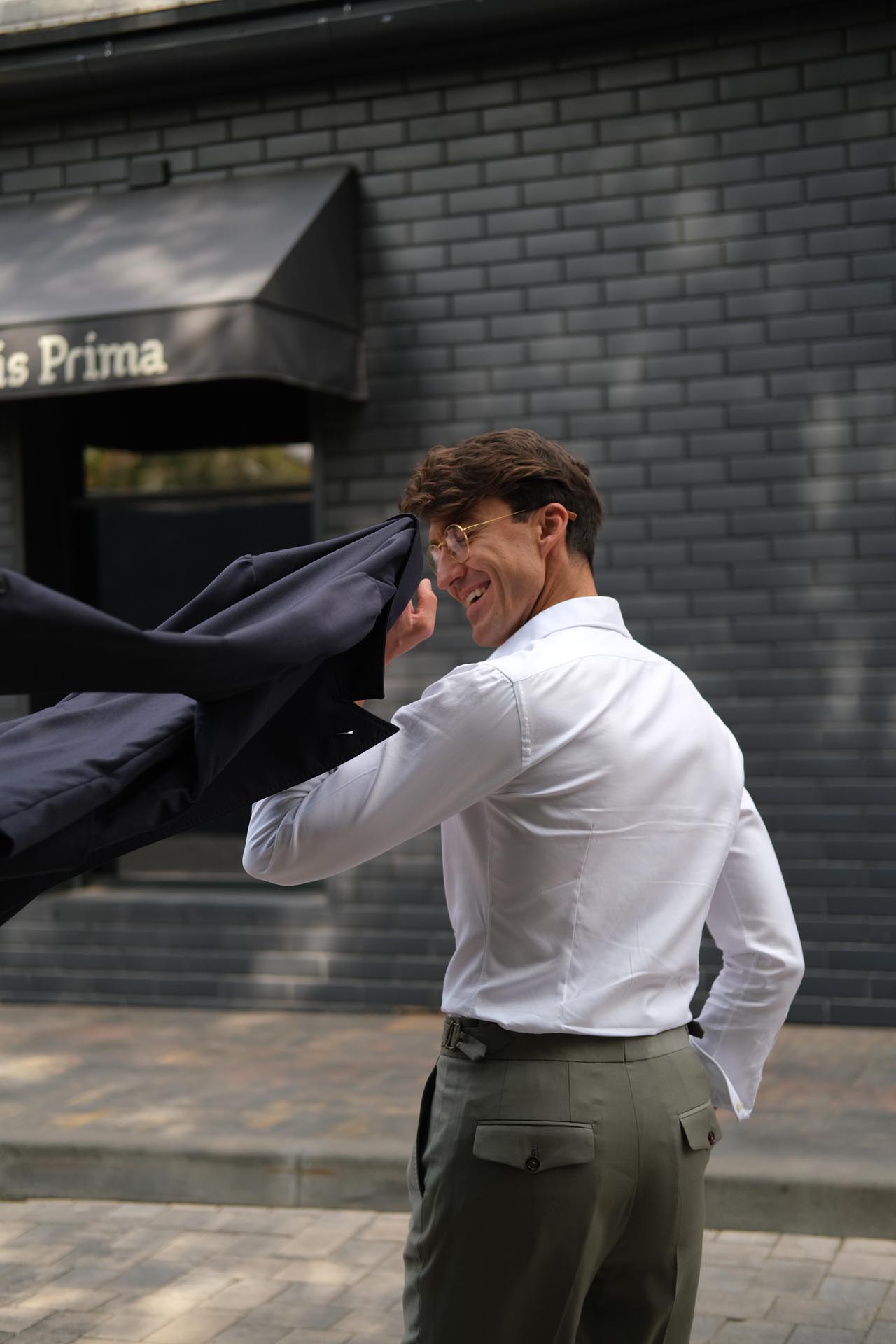
Shoes. People notice them more than you’d think. And they remember. There’s something in the way a man treats his shoes — it reads like character. A clean, quality pair is the final punctuation mark of an outfit, the thing that holds everything together. Dirty or worn-out ones cross out everything else, no matter what you spent on the rest.
Finally
Things are a language. The only question is what you’re saying with them. You can shout. You can stay silent. Or you can learn to say exactly what you mean — clearly, without unnecessary noise.
That’s what we do at Elety. If you’ve been thinking about figuring out your style — this is where it starts.
Quote of the Week
Quality is remembered long after the price is forgotten.
Aldo Gucci, founder of Gucci
Fact in the Spotlight
In the 1970s, psychologist Nalini Ambady proved that people form a stable opinion of a stranger within the first 30 seconds — and rarely change it even after an hour of conversation. She called it “thin slicing.” First impressions aren’t a myth. They’re physiology.
That’s all for today. See you on Saturday next week!
Yours sincerely, Anton Masko